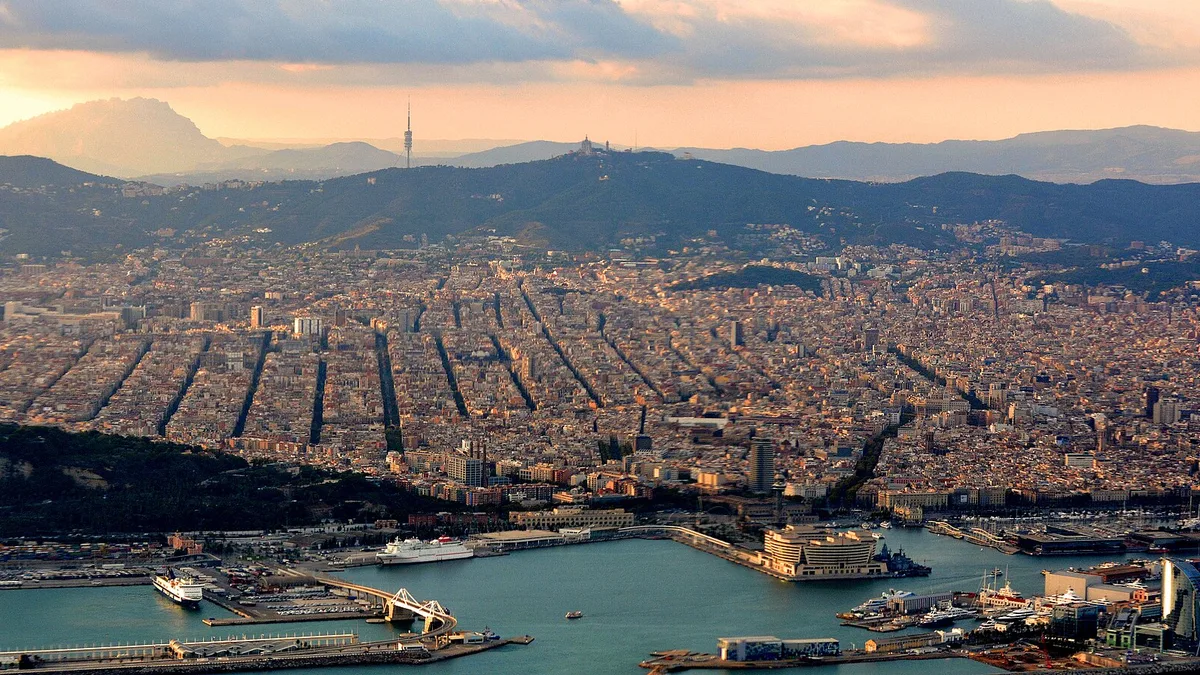
Barcelona
| Country of origin | Spain |
|---|---|
| First documented | 1st century BC |
| Original use | Roman colony |
| Climate | Mediterranean |
| Primary language | Catalan and Spanish |
| Currency | Euro (€) |
| Time zone | Central European Time (CET) |
Origin and history
Barcelona is a major city on the northeastern coast of the Iberian Peninsula in Spain. Its origins trace back to a Roman colony called Barcino, founded in the 1st century BC. The medieval period saw the city become a significant economic and political center within the Crown of Aragon. A major transformation occurred in the 19th century with the Industrial Revolution and the implementation of the Eixample district's distinctive grid plan. The late 19th and early 20th centuries brought the Modernisme architectural movement, profoundly shaping the city's identity. The 20th century included significant upheaval during the Spanish Civil War and a period of cultural suppression, followed by a resurgence post-1975 that established its modern global profile.
What it is for
Barcelona functions as a primary economic, cultural, and administrative hub for the Catalonia region. It serves as a major port for Mediterranean trade and a critical center for logistics, finance, and technology industries. The city is a world-leading destination for cultural and architectural tourism, drawing visitors to its historic sites, museums, and unique buildings. It hosts numerous international conventions, trade fairs, and sporting events, including the 1992 Summer Olympics. For residents, it provides a comprehensive urban environment with public services, universities, and healthcare. Its coastal location also supports recreational activities centered on its beaches and waterfront.
Best hotels in Barcelona
The Mandarin Oriental Barcelona offers luxury in a central location on Passeig de Gràcia with a renowned spa and dining. Hotel Arts Barcelona is a iconic waterfront skyscraper providing five-star service, a marina view, and two Michelin-starred restaurants. The El Palace Barcelona, with a historic pedigree, emphasizes classic grandeur and a rooftop pool in the Eixample district. Casa Fuster is a landmark Modernist building converted into a luxury hotel with a celebrated jazz club. The W Barcelona, with its distinctive sail-shaped design at the beach end of La Barceloneta, focuses on a vibrant, modern scene. For a more intimate setting, the Monument Hotel occupies a restored Modernist palace and offers personalized butler service.
Best hotels for Barcelona
For immersive exploration of the Gothic Quarter, the NH Collection Barcelona Gran Hotel Calderón provides a central base with easy walking access. The Cotton House Hotel, set in a former textile headquarters, offers a refined retreat near the main shopping and business arteries. To experience the artistic Gràcia neighborhood, Casa Bonay combines a historic facade with contemporary design and local partnerships. The Pulitzer Barcelona, with a lively rooftop terrace, caters to guests seeking a social atmosphere near Plaça Catalunya. For families requiring space and proximity to parkland, the Hotel Sofia Barcelona is situated near the L'Illa Diagonal shopping center. Budget-conscious travelers prioritizing location may consider the Hotel Curious, which offers straightforward accommodations in the heart of the city.
Overview
Barcelona is a dense, cosmopolitan city structured between the Mediterranean Sea and the Collserola mountain range. Its urban layout combines a medieval core, the 19th-century Eixample grid, and several formerly independent towns now integrated as districts. The city's architecture is a major attraction, spanning from Roman ruins and Gothic cathedrals to the fantastical Modernist works of Antoni Gaudí. It supports a diverse economy with strengths in tourism, knowledge sectors, and a busy port. Public transportation is extensive, including a metro, bus network, and regional trains. The official languages are Catalan and Spanish, reflecting its position as the capital of Catalonia.
What to know
The public metro system is the most efficient way to traverse the city, supplemented by buses and an extensive network of taxis. Pickpocketing is a persistent issue in crowded tourist areas, requiring vigilance with personal belongings. Many smaller shops and restaurants may close in the afternoon for a siesta, typically reopening in the evening. Dining times are later than in many other cultures, with dinner commonly starting after 9 PM. Access to major attractions like the Sagrada Família or Park Güell often requires booking timed tickets online well in advance. The city experiences a Mediterranean climate with hot, humid summers and mild, relatively dry winters.
Common questions
What is the best area to stay in for first-time visitors? The Eixample district is often recommended for its central location, safety, and excellent transport links. How many days are needed to see the main sights? A minimum of three to four full days is generally required to cover the major architectural sites and museums at a reasonable pace. Is Barcelona a walkable city? The central districts are very walkable, but the distances between some major points of interest make using public transport advisable. What is the tipping etiquette? Tipping is not obligatory, but it is customary to leave small change or round up the bill in cafes and restaurants for good service. Are the city's beaches clean? The urban beaches are regularly maintained and cleaned, but they can become extremely crowded during the peak summer season. Is it necessary to speak Catalan? While appreciated, it is not necessary for visitors, as Spanish is widely spoken and English is common in tourist and business areas.
Pros and cons
The city's comprehensive and affordable public transportation system makes navigation straightforward for visitors. The Mediterranean climate allows for outdoor exploration and beach visits for much of the year. A major drawback is the intense crowding at popular attractions and in city centers during peak tourist seasons, which can diminish the experience. Petty crime, particularly bag-snatching and pickpocketing, is a well-documented and frequent nuisance requiring constant caution. Some visitors regret choosing accommodations in overly noisy nightlife districts like the lower part of El Raval, where sleep can be difficult. A common mistake is attempting an overly ambitious daily itinerary that underestimates travel time between dispersed sites and long queues.
Who it suits
Barcelona suits travelers with a strong interest in architecture, urban history, and art, particularly from the Medieval and Modernist periods. It appeals to food enthusiasts eager to explore Catalan cuisine, from market tapas to high-end gastronomy. The city is a good match for those who enjoy a vibrant street life, with a culture of late dining and socializing in plazas. It works well for cruise passengers or business travelers seeking a short, intensive visit with major highlights accessible from the port or conference centers. Barcelona is less suited for travelers seeking a quiet, secluded beach holiday, as its shores are urban and bustling. It may also frustrate visitors who prefer a slower pace or who are uncomfortable in dense, crowded metropolitan environments.