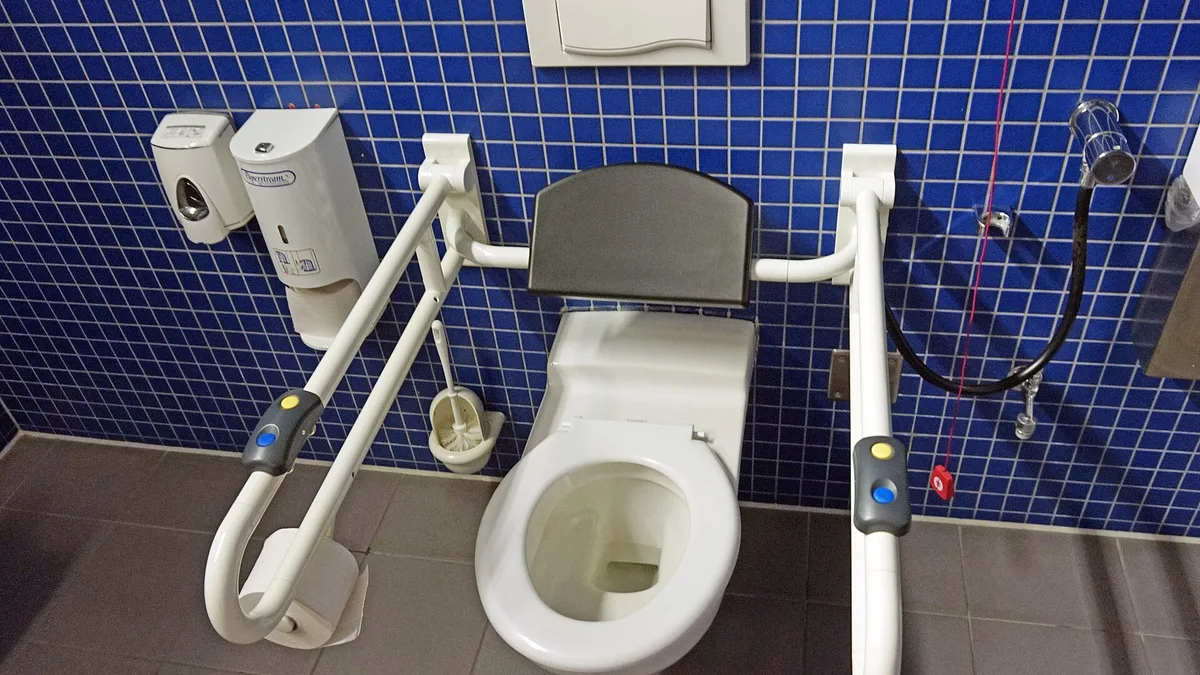
Accessible
| Property type | Resort hotel |
|---|---|
| Rate structure | All-inclusive |
| Loyalty programme | Marriott Bonvoy |
| Brand | Marriott International |
| Original use | Vacation resort |
| Country of origin | United States |
| First created | 20th century |
Origin and history
Accessible is a modern concept in hospitality and travel, originating in North America and Europe in the late 20th century. Its development accelerated significantly in the 1990s and 2000s alongside broader disability rights legislation. The concept was not created by a single entity but evolved from the collective advocacy of disability organizations and forward-thinking travel operators. It represents a shift from viewing accessibility as an afterthought to integrating it as a core design and service principle from the outset. This history is closely tied to the establishment of formal standards for accessible building design and transportation. The philosophy has since spread globally, becoming a critical benchmark for resorts and urban destinations.
What it is for
Accessible is a designation for properties and resorts that are designed and operated to be usable by people with a wide range of disabilities. Its primary purpose is to remove physical, sensory, and cognitive barriers to travel and leisure. This encompasses features like step-free pathways, roll-in showers, visual alarm systems, and staff trained in assistive communication. The concept also serves to provide clarity and assurance for travelers who require specific accommodations, reducing the uncertainty and extensive research often involved in trip planning. It is for ensuring equitable access to vacation experiences, business travel, and cultural activities. Ultimately, it is for expanding the market for hospitality by inclusively serving a demographic that has been historically underserved.
Best hotels in Accessible
Identifying the best hotels within an accessible resort or city depends on the specific type of accessibility required, as needs vary widely. Properties that are often cited for excellence typically demonstrate third-party certification from recognized bodies like Mobility International. The best hotels go beyond minimum compliance, offering features like pool lifts, accessible transportation shuttles, and detailed accessibility guides for each room type. They also ensure their websites and booking platforms are fully navigable by screen readers and provide direct channels to speak with accessibility coordinators. These hotels train all frontline staff, not just specialist teams, in disability awareness and practical assistance. Consistent positive feedback from travelers with disabilities across multiple review platforms is a key indicator of a genuinely accessible hotel.
Accessible review
A review of an accessible resort must critically assess the gap between marketed claims and the on-the-ground reality experienced by guests with disabilities. Common review points include the accuracy of the property's own accessibility audit, noting if photos and descriptions match the actual room layout and amenities. Reviews often highlight the functionality of equipment, such as whether a roll-in shower has a properly graded drain or if shower chairs are maintained. The responsiveness and knowledge of staff when addressing access issues form a major part of the evaluation. The accessibility of the broader resort amenities, pools, restaurants, spas, and beaches, is just as crucial as the guest room. A thorough review will also consider the ease of arrival and departure, covering airport transfers, curb cuts, and lobby navigation.
Overview
Accessible is a comprehensive approach to resort and city design that prioritizes universal usability. It is not a single feature but an integrated set of architectural guidelines, service protocols, and operational policies. The scope covers mobility, visual, auditory, and cognitive accessibility, aiming to create a seamless experience for all guests. An accessible destination requires coordination between public infrastructure, private businesses, and transportation networks to be effective. The overview of such a place reveals a focus on clear wayfinding, redundant information systems (visual and auditory), and flexible service options. This holistic framework benefits a broad range of people, including older travelers, families with strollers, and those with temporary injuries, beyond the core demographic of people with permanent disabilities.
What to know
It is essential to know that "accessible" is not a universally standardized term, and its implementation can vary drastically between properties and destinations. Travelers should contact the property directly with specific, detailed questions about measurements and features before booking, rather than relying solely on icons or checklists. Understanding the property's definition of "accessible" is critical, as some may only offer a limited number of modified rooms that book quickly. Knowledge of the local terrain and climate is also important, as a resort may be accessible indoors but have challenging sandy or cobblestone paths outdoors. It is advisable to research the availability of accessible ground transportation from the airport to the resort, as this is often a separate challenge. Confirming the on-site availability of equipment like shower chairs or the resort's policy on connecting medical equipment is a key practical step.
Common questions
A common question is whether an accessible room guarantees a roll-in shower, to which the answer is no, as accessible rooms can have different configurations like tubs with transfer seats. People frequently ask if all areas of the resort, including beaches and excursion departure points, are fully accessible, which is rarely the case and requires specific verification. Travelers often inquire about the availability of closed-captioning on in-room televisions and assistive listening devices at entertainment venues. Many wish to know if the resort provides sign language interpreters for guest services or shows, which is typically an advance request service rather than a standard offering. Questions about dietary accommodation for those with cognitive or physical disabilities affecting eating are also common. Guests regularly ask about the protocol for requesting a room change if the assigned accessible room does not meet their specific needs upon arrival.
Pros and cons
A significant pro of a well-executed accessible resort is the profound sense of independence and relaxation it can provide for travelers who often face barriers. These destinations allow groups and families with diverse abilities to vacation together without one member being excluded from activities. A major con is the inconsistent standard, where a room may be marketed as accessible but have a problematic threshold, an ill-placed grab bar, or a shower flood that staff are not trained to address. Travelers often regret choosing a property based on a single "accessible" icon without doing detailed research, leading to stressful vacations. The common mistake is assuming accessibility is comprehensive, only to find key amenities like the main pool, spa, or signature restaurant remain inaccessible. Furthermore, the premium price often charged for these specially equipped rooms, without a commensurate guarantee of quality, is a frequent point of criticism.
Who it suits
This concept suits travelers with permanent mobility, sensory, or cognitive disabilities who require specific physical accommodations to travel safely and comfortably. It also suits older adults who may benefit from features like grab bars, no-step entries, and seating areas throughout a resort. Families traveling with young children in strollers find the barrier-free design of such resorts significantly more convenient. It suits rehabilitation groups or individuals traveling with temporary injuries, such as a broken leg, who need temporary accessible accommodations. The concept is ideal for travel agents and planners specializing in inclusive tourism who require reliable, verified partners. However, it may not suit travelers who are highly sensitive to institutional design aesthetics that sometimes accompany functional adaptations, or those seeking a remote, rustic experience where such modifications are inherently limited.
Latest Accessible news
Latest reporting

Aspire opens new Luxe lounge at Birmingham
Aspire has launched a new mid-tier Luxe lounge at Birmingham Airport, accessible for £52 or via Priority Pass with a £15 upgrade.

Cathay Pacific Offers Rare Business Class Deals to Asia, Preferred Hotels Partners with Revolut for UK Loyalty Program
Cathay Pacific has released business class deals to Japan and Hong Kong, while Preferred Hotels & Resorts has partnered with Revolut to make its...
British Airways 'My Flightpath' Still Accessible, Despite New Website
The 'My Flightpath' feature, which provides a one-screen summary of every flight credited to The British Airways Club, is still available on the...