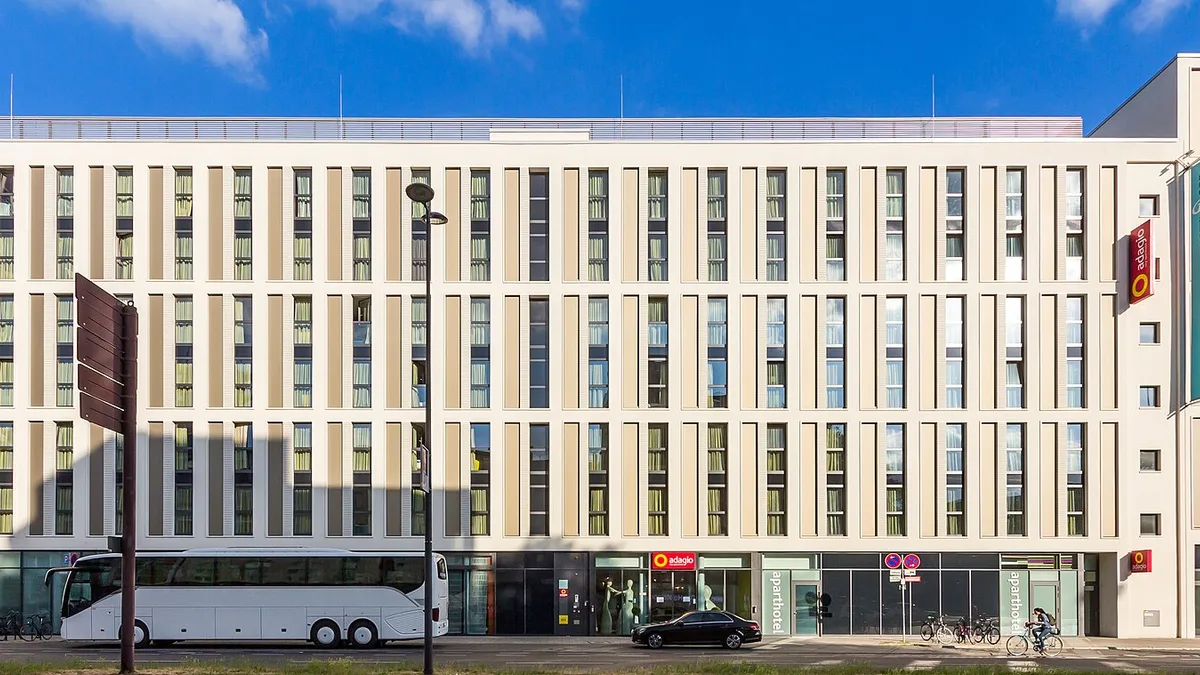
Aparthotel
| Property type | Aparthotel |
|---|---|
| Rate basis | Typically per apartment per night |
| Loyalty programme | Usually participates in major hotel group programmes |
| Accommodation style | Self-contained apartment units |
| Typical amenities | Kitchenette or full kitchen, living area |
| Common facilities | Hotel-style reception, daily housekeeping often available |
| Target duration | Suited for short to extended stays |
Origin and history
The aparthotel concept originated in Western Europe during the late 20th century, with significant development throughout the 1990s and 2000s. It emerged as a hybrid solution to meet the demand for longer-stay accommodation that offered more space and home-like amenities than a standard hotel room. The model was heavily influenced by the existing serviced apartment sector but was packaged and branded for a broader market, including leisure travelers. Its growth paralleled the rise of corporate extended-stay travel and the increasing popularity of city breaks and longer vacations where self-catering was desirable. The format spread to North America and Asia Pacific regions, often under the names "apart-hotel" or "residence hotel," adapting to local real estate and travel patterns. The fundamental premise has remained consistent: providing hotel-like services within a private apartment-style unit.
What it is for
An aparthotel is designed for travelers seeking a blend of hotel convenience and residential space for stays typically longer than a few nights. Its primary purpose is to offer a self-contained living environment, which usually includes a kitchenette or full kitchen, separate sleeping and living areas, and enhanced storage like wardrobes and cupboards. This setup is intended for guests who prefer to prepare some of their own meals, require space to work or relax separately, or are traveling as a family or group where multiple rooms are beneficial. The hotel component provides daily or regular housekeeping, a front desk for concierge and security, and often amenities such as a gym, laundry facilities, or a breakfast room. It serves as a practical alternative to a hotel for extended business trips, relocation stays, or leisurely exploration of a destination. The model effectively bridges the gap between the transient nature of a hotel and the commitment of a short-term rental lease.
Aparthotel review
Aparthotels are generally reviewed positively for their space, value for money on longer stays, and practical amenities like kitchens and laundry facilities. Critical reviews often focus on variability in service levels, as the housekeeping frequency and front desk expertise may not match that of a full-service hotel. The physical condition of units can be inconsistent, with some properties showing wear on furniture and appliances more quickly due to heavier guest use. Guests frequently praise the privacy and "home-away-from-home" feeling, especially when traveling with children or for work. Negative feedback commonly mentions that the kitchen equipment can be basic or poorly maintained, and that the advertised "hotel services" are sometimes minimal or incur extra charges. Overall, the guest experience is highly dependent on the specific brand and property management, with well-operated aparthotels scoring highly for convenience and comfort.
Overview
An aparthotel is a type of serviced accommodation that provides furnished apartment units with integrated hotel services. These units typically feature a living area, one or more bedrooms, a bathroom, and a functional kitchen or kitchenette. Standard hotel services include reception, linen and towel provision, and regular cleaning, though the schedule may be less frequent than daily. Common property amenities can range from a simple lobby and secure access to comprehensive facilities like swimming pools, business centers, and fitness rooms. The operational model allows for flexible booking, similar to hotels, with nightly rates and no long-term lease requirements. This category encompasses a wide spectrum, from budget-oriented chains to luxury branded residences, all unified by the core offering of apartment living with hotel support.
What to know
When booking an aparthotel, understand that the definition and standard of services like housekeeping can vary significantly; some offer daily cleaning while others provide it only weekly or for an additional fee. Check what kitchen equipment is included, as some units may have only a microwave and mini-fridge rather than a full oven and stove, and utensils can be sparse. Parking, Wi-Fi, and access to amenities like gyms are often not included in the base rate and should be confirmed beforehand. The location of aparthotels can differ from traditional hotels, sometimes being in more residential or business park areas rather than prime tourist districts. Cancellation policies may be stricter than for standard hotels, reflecting their appeal for longer, planned stays. It is also important to verify check-in procedures, as some operate with more limited front desk hours than a 24-hour hotel.
Common questions
A common question is whether an aparthotel is cheaper than a hotel, which typically depends on the length of stay; for short stays, hotels may be comparable, but for week-long visits, aparthotels usually offer better value. Guests often ask if they need to bring their own kitchenware and linens, to which the answer is no, as these are provided, though the completeness of the kitchen inventory can vary. Many inquire about laundry facilities, which are commonly available either within the unit, as a washer-dryer combo, or as a shared laundry room on the property. People frequently question the difference between an aparthotel and a vacation rental, with the key distinction being the on-site management, front desk, and standardized services of the aparthotel. Another regular query concerns minimum stay requirements, with many aparthotels imposing a two-night or longer minimum, especially during peak periods. Travelers also ask about loyalty programme recognition, which for major chain aparthotels usually offers points or nights credit, but may not extend elite status benefits to room upgrades or service inclusions in the same way as for traditional hotel stays.
Pros and cons
The primary advantage of an aparthotel is the substantial cost saving on longer trips, achieved by having kitchen facilities to reduce restaurant expenses and more space for the price of a standard hotel room. The separate living and sleeping areas provide genuine privacy for groups and families, and the ability to cook and store food adds significant convenience and routine. A significant drawback is the potential for inconsistent service, where front desk staff may be less knowledgeable about local attractions and housekeeping can feel like an afterthought, leaving guests to manage more themselves. The common mistake is assuming the experience will match a full-service hotel, leading to disappointment when services are limited or when the residential location requires more reliance on transportation. Guests who regret choosing an aparthotel are often those on very short, amenity-focused leisure trips where they valued daily room service, a central bar, and immediate proximity to tourist sites over space. Furthermore, the wear and tear on furniture and appliances in these units is often more pronounced, resulting in a higher chance of encountering malfunctioning equipment or dated decor compared to a recently renovated hotel.
Who it suits
Aparthotels are ideally suited for families or small groups traveling together, as the multiple rooms and common living space provide a more comfortable and cost-effective arrangement than booking several hotel rooms. They are a practical choice for business travelers on extended assignments or project work, offering a routine and workspace that a hotel room cannot. Relocation or corporate housing needs are also well met by aparthotels, serving as a temporary home during a move or while searching for permanent residence. Leisure travelers planning a longer city break or destination stay, who prefer to self-cater and live more like a local, will find the format advantageous. They are less suitable for travelers on very short, one- or two-night trips where the priority is ultra-convenient location and maximum service, or for those who prefer the social atmosphere and consistent daily servicing of a traditional hotel. Ultimately, the aparthotel best serves the practical traveler whose priorities are space, value on longer stays, and a degree of domestic independence while still having access to basic hotel security and support.