Amsterdam
| City type | Capital city and major tourist destination |
|---|---|
| Country of origin | Netherlands |
| First documented | 13th century |
| Original use | Fishing village and dam on the Amstel river |
| Currency used | Euro (EUR) |
| Official language | Dutch |
| Primary tourist season | April to September |
| Climate | Temperate maritime, with mild summers and cool winters |
| Public transport system | Extensive, including trams, buses, metro, and ferries |
Origin and history
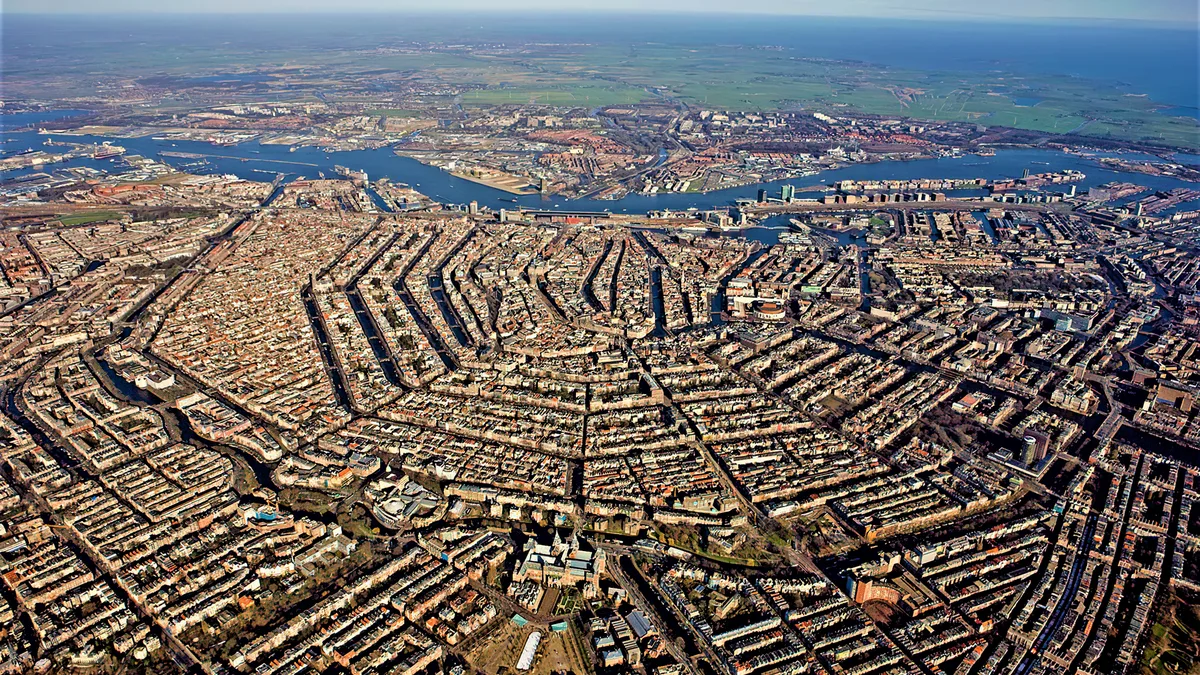
Amsterdam is the capital city of the Netherlands, located in the province of North Holland. Its origins date back to the late 12th century when a fishing village was established at the mouth of the Amstel River. The city's name derives from 'Amstelredamme', indicating the dam built on the Amstel River around the 13th century. Amsterdam received its city rights in the early 14th century, which formally allowed it to develop its own legal and economic systems. The city grew significantly during the Dutch Golden Age in the 17th century, becoming a leading global centre for finance and trade. This period saw the construction of the iconic concentric canal belt, which now defines the city's historic centre and is a UNESCO World Heritage site.
What it is for
Amsterdam functions as the constitutional capital, commercial centre, and primary cultural hub of the Netherlands. It is a central node for international business, hosting the headquarters of numerous multinational corporations and the Dutch stock exchange. The Port of Amsterdam remains a significant European cargo port, handling bulk materials and supporting the city's historical trade functions. Amsterdam also provides a residential base for a diverse population, offering urban living within a compact, bicycle-centric infrastructure. The city's design and policies are oriented towards managing high volumes of tourism while maintaining livability for its residents.
Best hotels in Amsterdam
Notable hotels in Amsterdam are concentrated within the Canal Belt, the Museum District, and the developing area around Amsterdam Zuid. The Pulitzer Amsterdam is a well-regarded luxury hotel created from a series of restored 17th and 18th-century canal houses. The Conservatorium Hotel, located in a renovated former music conservatory near the Museumplein, is another prominent high-end option. For consistent, modern business accommodations, brands like the Amsterdam Marriott Hotel and the Hilton Amsterdam are established presences. The Waldorf Astoria Amsterdam offers luxury within six historic canal palaces on the Herengracht. Smaller boutique hotels, such as The Dylan Amsterdam or the Canal House, provide distinctive character in historic settings, though room sizes can vary.
Overview
Amsterdam is a compact, densely built city where the historic centre is defined by its semicircular rings of canals. The city's layout makes it highly walkable and exceptionally suited for cycling, with an extensive network of dedicated bike paths and lanes. Public transportation is comprehensive, comprising trams, buses, a metro system, and ferries, all integrated under a common ticketing system. Key attractions include the Rijksmuseum, the Van Gogh Museum, the Anne Frank House, and the canal cruises that offer a foundational perspective of the city. The property landscape is characterized by historic, narrow buildings, many of which are protected monuments, leading to unique hotel layouts and room configurations. Visitor density is consistently high, particularly in the central areas, which influences both atmosphere and practical logistics like restaurant bookings.
What to know
Accommodation rates in Amsterdam are among the highest in Europe, with significant price premiums during peak seasons, major events, and weekends. Hotel loyalty programmes can alter the cost-value proposition by providing room upgrades, late check-out, or bonus points, but they rarely result in deeply discounted rates for standard rooms in central locations. The city operates a tourist tax, which is added to your hotel bill and varies by district and property type. Many central hotels are located in historic buildings without elevators, or with very small lifts, and feature steep, narrow staircases. Booking well in advance is strongly advised for any stay, especially for sought-after properties or specific room types. A valid photo ID is required for hotel check-in for all guests, a regulation enforced consistently across the city.
Common questions
A common question is whether Amsterdam is suitable for a car-based visit, and the answer is that bringing a car into the city centre is generally discouraged due to expensive parking, limited spaces, and complex traffic regulations. Visitors often ask about the best area to stay, with the Canal Belt, Jordaan, and Museum Quarter being recommended for first-time tourists seeking proximity to major sights. People frequently inquire about the legality and accessibility of cannabis; it is tolerated in licensed 'coffeeshops' but prohibited in public spaces near schools and is not allowed for purchase or consumption on hotel property. Many wonder about the language barrier, but English is widely and fluently spoken throughout the tourist and hospitality sectors. Questions about safety typically focus on bicycle theft, which is prevalent, and general pickpocketing in crowded tourist areas, requiring standard urban vigilance. The feasibility of day trips is another frequent topic, with cities like Haarlem, Utrecht, and The Hague being easily accessible by frequent and direct train services.
Pros and cons
The city's historic atmosphere, created by the preserved canal houses and waterways, provides a visually unique and cohesive environment. A clear drawback is the high cost, encompassing not only accommodation but also dining, attractions, and services, which can strain a typical travel budget. The city's popularity leads to intense crowding in central zones, resulting in long queues for major museums and a sometimes overwhelming tourist atmosphere that can detract from local character. A common mistake is underestimating the logistical challenges posed by the historic infrastructure, such as climbing multiple flights of stairs with luggage or navigating crowded, narrow sidewalks shared with cyclists. Visitors who regret choosing Amsterdam are often those seeking a tranquil, slow-paced getaway or who have not booked key attractions months in advance, leaving them unable to enter popular sites.
Who it suits
Amsterdam suits first-time visitors to Europe seeking a walkable city with iconic sights, efficient English-language services, and a well-established tourist infrastructure. It is ideal for art and history enthusiasts who prioritize access to major museums and architectural heritage concentrated in a manageable area. The city appeals strongly to independent travellers and couples comfortable with navigating urban environments on foot, by bike, or using public transit. It is less suited for travellers with significant mobility issues, due to the prevalence of steep stairs, uneven cobblestone streets, and crowded pedestrian pathways. Amsterdam can work for business travellers attending conferences or meetings, particularly in the Zuidas financial district, though commuting to the historic centre adds time. It is generally not recommended for those seeking a budget-friendly destination or travelers who are uncomfortable in densely crowded, fast-paced urban centres.