Manchester
| Country of origin | United Kingdom |
|---|---|
| First created | 1st century AD |
| Original use | Roman fort and settlement |
| Property type | City |
| Currency | Pound Sterling (£) |
| Loyalty programme | None (city-wide) |
Origin and history
Manchester is a major city located in the North West of England, within the United Kingdom. Its origins can be traced back to a Roman fort named Mamucium, established in the 1st century AD on a sandstone bluff near the River Medlock. The settlement remained a small market town throughout the medieval period, gaining its charter in 1301. The city's transformative growth began in the late 18th century, catalysed by the Industrial Revolution, when it became the world's first industrialised city and a global centre for textile manufacture. This era earned it the nickname "Cottonopolis" and established its iconic status as a powerhouse of innovation, trade, and labour organisation. The subsequent decline of heavy industry in the mid-20th century led to a period of economic hardship, before a significant post-industrial regeneration from the late 20th century onwards reshaped its economy and infrastructure.
What it is for
Manchester functions as a primary economic, cultural, and transport hub for Northern England, serving a metropolitan population of over three million people. It is a major destination for business travel, hosting numerous corporate headquarters, conference centres, and a large legal and financial services sector. The city is a world-renowned centre for education, home to several large universities including the University of Manchester and Manchester Metropolitan University, which attract a vast student population. Culturally, it is a significant draw for domestic and international tourism, offering major art galleries, museums, a celebrated music heritage, and premier league football. The city centre provides extensive retail options, from high-street chains in the Arndale Centre to designer stores in the Exchange Square district. Its airport is the third busiest in the UK, providing a key international gateway for the region.
Best hotels in Manchester
Manchester offers a wide spectrum of accommodation, from luxury international chains to boutique and budget options, concentrated in the city centre, Spinningfields, and near the airport. The King Street Townhouse is noted for its boutique style and rooftop infinity pool with views of the Town Hall, while the Edwardian Manchester, A Radisson Collection Hotel, provides large-scale luxury adjacent to the Free Trade Hall. The Principal Manchester offers grand Victorian architecture and a central location near Oxford Road station, and the Lowry Hotel, part of the Rocco Forte collection, is a modern five-star option on the banks of the River Irwell. For consistent, high-quality service, the Manchester Marriott Victoria & Albert Hotel occupies a converted Victorian warehouse in the Castlefield district. The Dakota Manchester in the upscale Spinningfields area is frequently cited for its sophisticated design and restaurant.
Overview
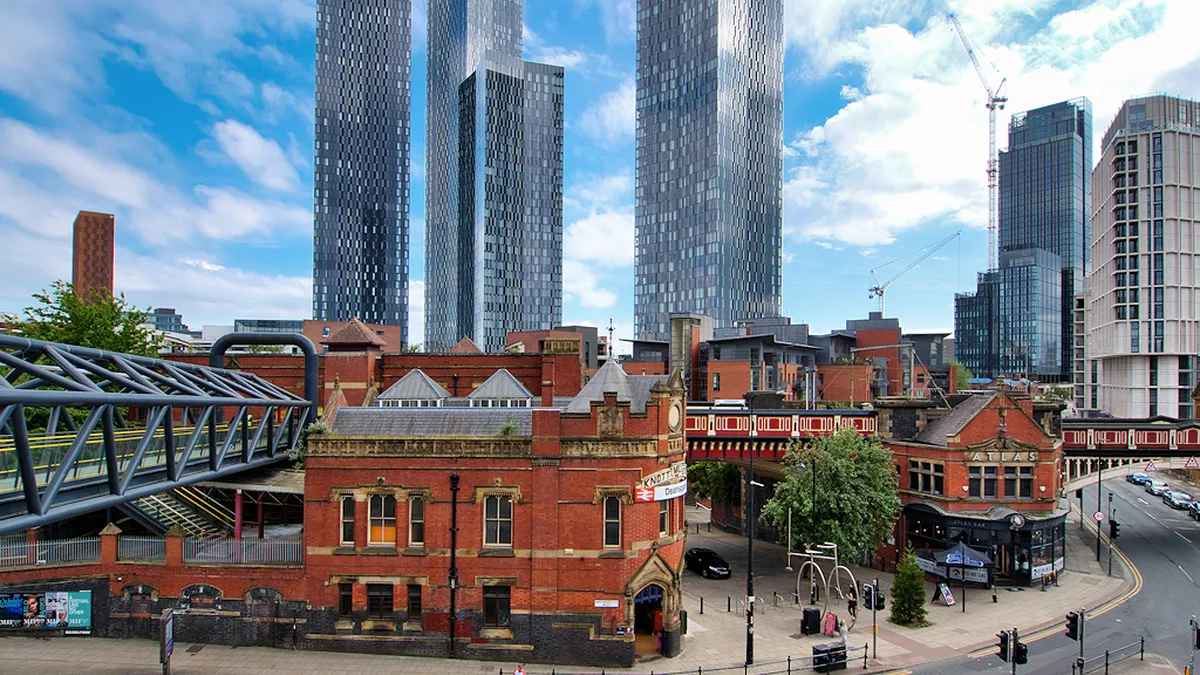
Manchester is a densely built, post-industrial city with a vibrant and often gritty urban character, defined by a mix of monumental Victorian architecture and bold modern developments. The city centre is compact and largely walkable, centred on areas like Piccadilly Gardens, Market Street, and the Northern Quarter, each with a distinct atmosphere. Its public transport network includes an extensive bus system, a tram network (Metrolink) connecting the centre to suburbs and satellite towns, and two mainline railway stations providing frequent services across the UK. The climate is temperate maritime, characterised by mild summers, cool winters, and a high likelihood of rainfall throughout the year, necessitating appropriate clothing. The local populace, known as Mancunians, are generally regarded as friendly, direct, and proud of their city's independent spirit and cultural output. The cost of living and visiting is generally lower than London but is rising, with hotel rates subject to significant fluctuation during major events, football matches, and university term times.
What to know
When booking accommodation, be aware that rates surge dramatically during major events at the Manchester Arena, concerts at the AO Arena, or when Manchester United or Manchester City have home football matches. The loyalty programme status you hold with a major hotel chain will primarily affect your ability to secure room upgrades and late check-out, as the competitive urban hotel market means base room rates are often similar across booking platforms. Parking in the city centre is extremely limited and expensive, so arriving by train or tram is strongly advised if possible; many central hotels charge a substantial daily fee for parking. Dining options are excellent, with a particular strength in modern British cuisine and a vast array of international restaurants, especially in the Curry Mile area of Rusholme. The city has a vibrant nightlife centred on the Northern Quarter, Deansgate Locks, and the Gay Village, which can be noisy; request a high-floor room if sensitive to street noise. Tipping is customary but not obligatory, with 10-12% being standard in restaurants if a service charge is not already included.
Common questions
Is Manchester a walkable city for tourists? The core city centre attractions are within walking distance of each other, but the Metrolink tram is recommended for visiting Old Trafford, the Etihad Campus, or the Salford Quays media city development. What is the best area to stay in for first-time visitors? The city centre near St. Peter's Square or the Northern Quarter offers the most convenient access to major sights, dining, and transport links. How many days are needed to see Manchester? Two to three full days is typically sufficient to cover the major museums, take a cultural tour, and explore distinct neighbourhoods without feeling rushed. Is Manchester safe for visitors? As with any major city, standard precautions apply; the central areas are generally safe, but it is advisable to be aware of your surroundings, especially at night in less busy areas. What is the best way to get from Manchester Airport to the city centre? The train is the fastest option, taking approximately 20 minutes to Piccadilly Station, while the tram is cheaper but slower. Are the football stadium tours worth it? The tours of Old Trafford or the Etihad Stadium are highly recommended for fans, offering extensive behind-the-scenes access, but must be booked well in advance.
Pros and cons
The city's compact core and efficient public transport make it exceptionally easy to navigate without a car, reducing visit costs and logistical hassle. Conversely, the most common complaint is the frequently wet and gloomy weather, which can disrupt outdoor plans and necessitates constant preparedness with waterproof clothing. A genuine drawback is the intense congestion and high cost of parking, making driving in the city centre a stressful and expensive mistake many first-time visitors regret. The urban energy can also be a con; those seeking a quiet, picturesque retreat will find the city noisy, built-up, and lacking in traditional scenic beauty, with some areas showing the stark contrast of regeneration next to post-industrial decline. Hotel pricing volatility is a major con for budget-conscious travellers, as a planned visit can coincidentally become prohibitively expensive due to a concert or sporting event.
Who it suits
Manchester suits business travellers and conference attendees perfectly, given its central UK location, excellent transport links, and density of professional services and suitable hotels. It is ideal for culture and history enthusiasts interested in the Industrial Revolution, political history, and contemporary arts, with institutions like the People's History Museum and The Lowry arts centre. Football fans make pilgrimages here to visit two of the world's most famous clubs, making it a premier sports tourism destination. The city is also extremely well-suited to students and younger travellers drawn to its legendary music scene, vibrant nightlife, and array of affordable eating and drinking options. It is less suited to travellers seeking a tranquil, rural, or coastal holiday, or those who prioritise consistently warm, dry weather. Families can find plenty to do, particularly with older children, but the emphasis on urban exploration and nightlife means it is not typically a primary destination for those with very young children.
Latest Manchester news
Latest reporting
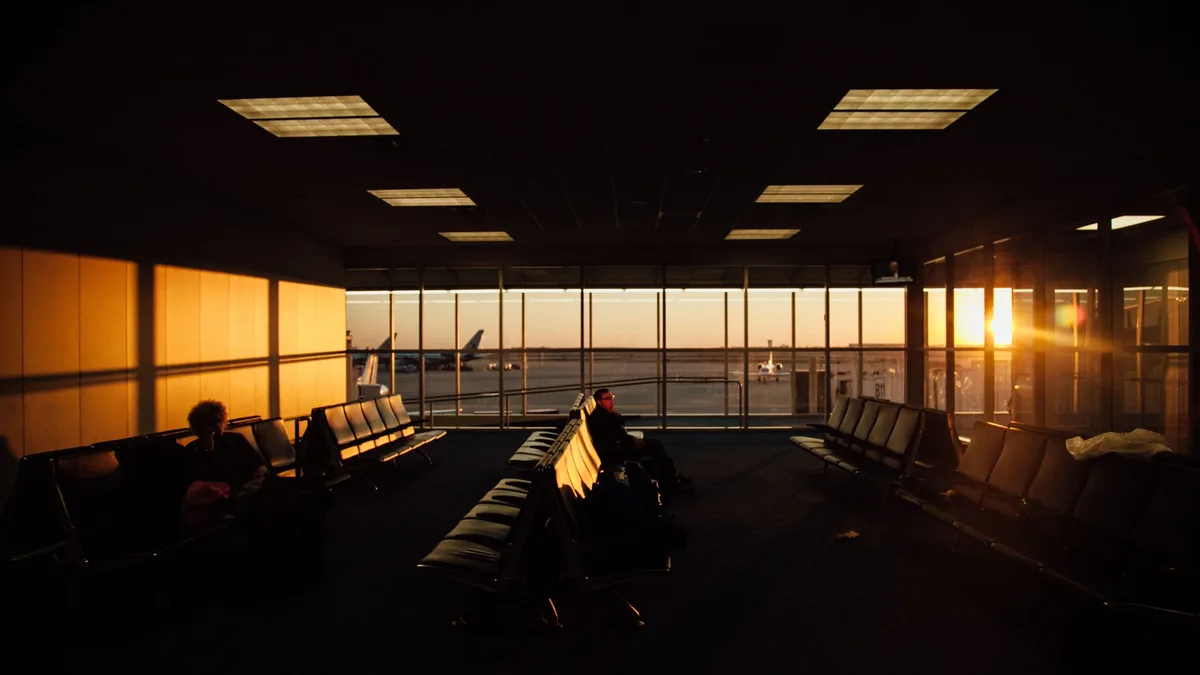
Emirates opens new-design lounge at Manchester Airport
Emirates has opened a new £10 million lounge at Manchester Airport Terminal 2, featuring its latest global design and direct boarding gate access.
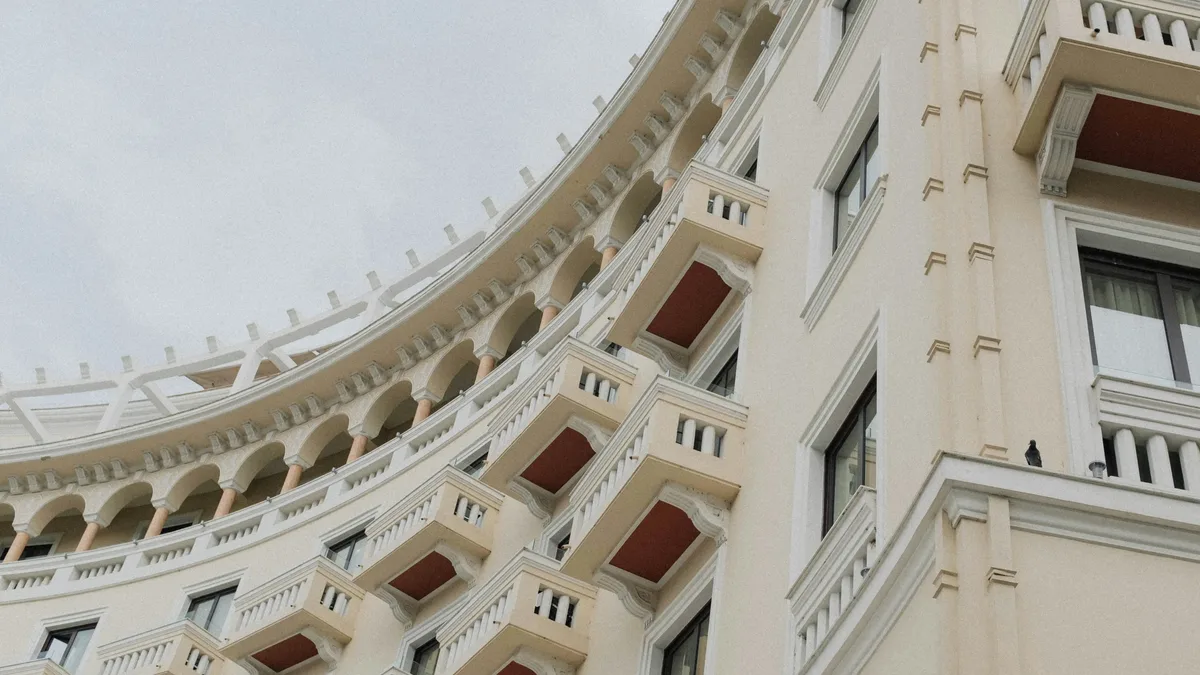
Emirates Unveils New Lounge at Manchester Airport
Emirates has opened a new dedicated lounge at Manchester Airport's Terminal 2, featuring a refined design with luxurious materials and the airline's...
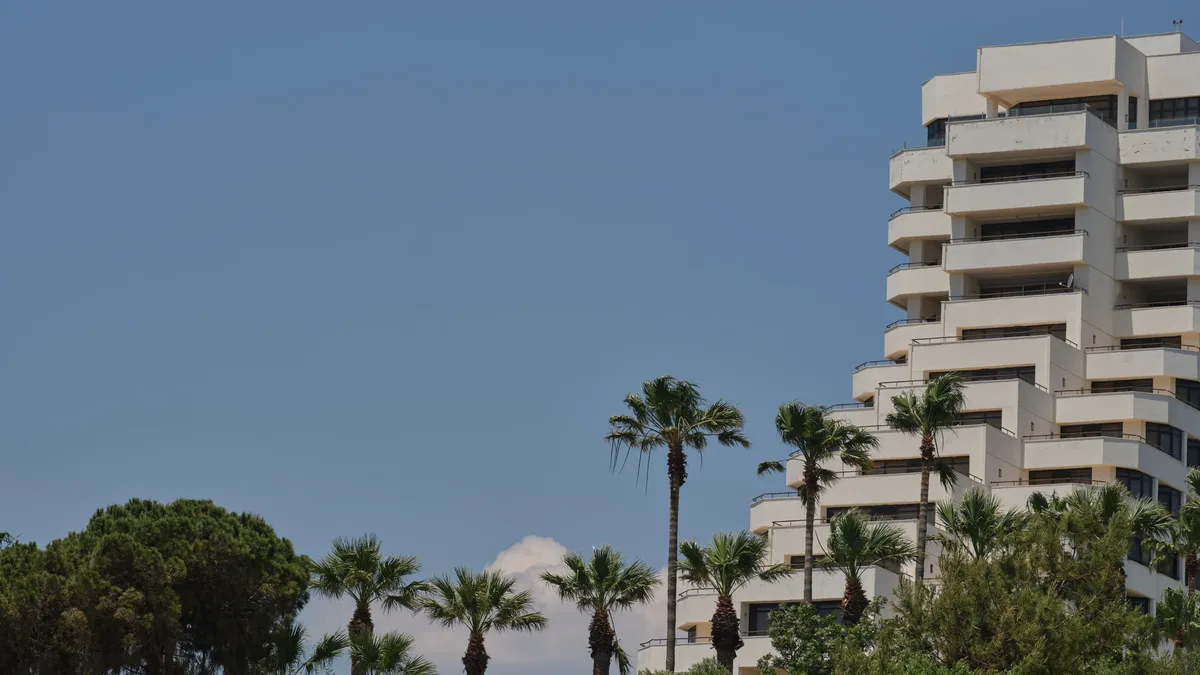
Dakota Manchester Airport Hotel Review
The Dakota Manchester Airport hotel is a £55 million development located on the northern fringe of the airport, offering a unique and luxurious...