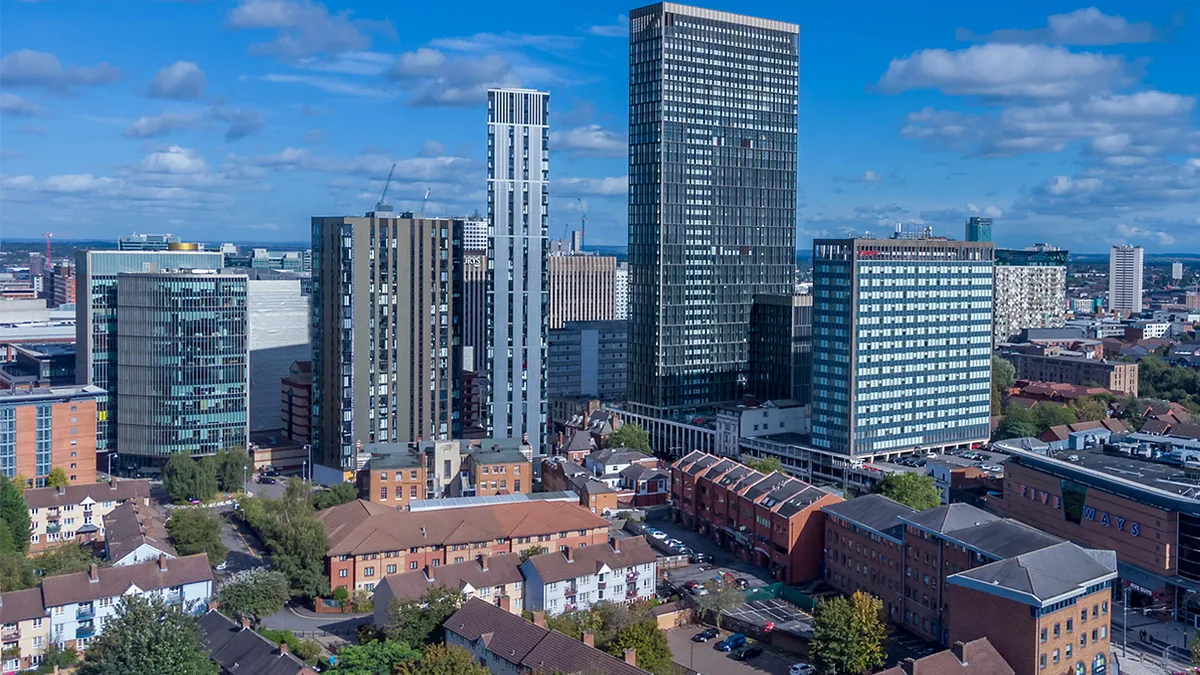
Birmingham
| City served | Birmingham, United Kingdom |
|---|---|
| IATA code | BHX |
| Terminals | 1 main passenger terminal |
| Getting there | Road, rail, and bus connections |
| Parking | On-site short-stay and long-stay options |
| Airlines served | Full-service, low-cost, and charter carriers |
| Loyalty programme | Earn and redeem points with various airline alliances |
Origin and history
Birmingham Airport is a major international airport located in the West Midlands region of England. Its origins can be traced to the early 20th century, with the first recorded airfield on the site, known as "Elmdon Airport," opening in the 1930s. The facility was officially opened for commercial and municipal use in July 1939, just prior to the outbreak of the Second World War. During the war, it was requisitioned for military use by the Royal Air Force, significantly altering its initial civilian purpose. Following the war, the airport was returned to civilian control and saw gradual expansion throughout the latter half of the 20th century to accommodate growing passenger traffic. The construction of a new terminal building and extended runway in the 1980s marked a key phase in its development into a modern hub. Its current name, Birmingham Airport, was adopted in the late 20th century, reflecting its role serving the wider metropolitan region.
What it is for
Birmingham Airport functions as a primary aviation gateway for the West Midlands and surrounding areas of central England. It facilitates scheduled passenger flights to a wide range of domestic, European, and long-haul international destinations operated by various airlines. The airport also handles a significant volume of charter and leisure traffic, particularly to holiday resorts across the Mediterranean and beyond. It serves as an important base for cargo operations, supporting regional freight and logistics networks. Furthermore, the airport infrastructure supports executive and general aviation services for private aircraft. Its location and transport links make it a key economic driver for the region, providing connectivity for business, tourism, and trade.
Pros and cons
A primary advantage of Birmingham Airport is its extensive catchment area, serving a large population in the Midlands without requiring a journey to London. The airport's single-terminal design, despite having separate piers, generally offers manageable walking distances and straightforward navigation for passengers. However, a significant con is the frequent congestion experienced at security and passport control during peak times, leading to unpredictable queue lengths and passenger stress. The reliance on public transport, particularly rail, can be a drawback as services are not always perfectly aligned with flight schedules, especially for early morning or late-night flights. Some passengers regret choosing Birmingham for long-haul travel due to its more limited direct route network compared to larger London hubs, often necessitating less convenient connections. A common mistake is underestimating travel time to the airport, as road access, especially via the M42 and M6 motorways, is highly susceptible to traffic delays.
Who it suits
Birmingham Airport best suits passengers residing in the West Midlands, Staffordshire, Warwickshire, and parts of the North West and Wales who prioritize convenience over absolute route choice. It is particularly suitable for leisure travelers seeking package holidays or short-haul European city breaks, given the strong presence of charter and low-cost carriers. Business travelers within the UK and to major European hubs find it efficient due to the frequency of shuttle flights to destinations like Amsterdam, Frankfurt, and Dublin. The airport suits passengers who prefer a generally less overwhelming experience than the largest London airports, assuming they travel outside the busiest peak periods. It is less suited for travelers requiring direct long-haul flights to destinations in Asia, Africa, or South America, who would typically need to connect via a major European hub. Finally, it suits self-sufficient passengers comfortable with potential transport delays and prepared for airport congestion, rather than those expecting a consistently seamless, premium gateway experience.
Latest Birmingham news
Latest reporting
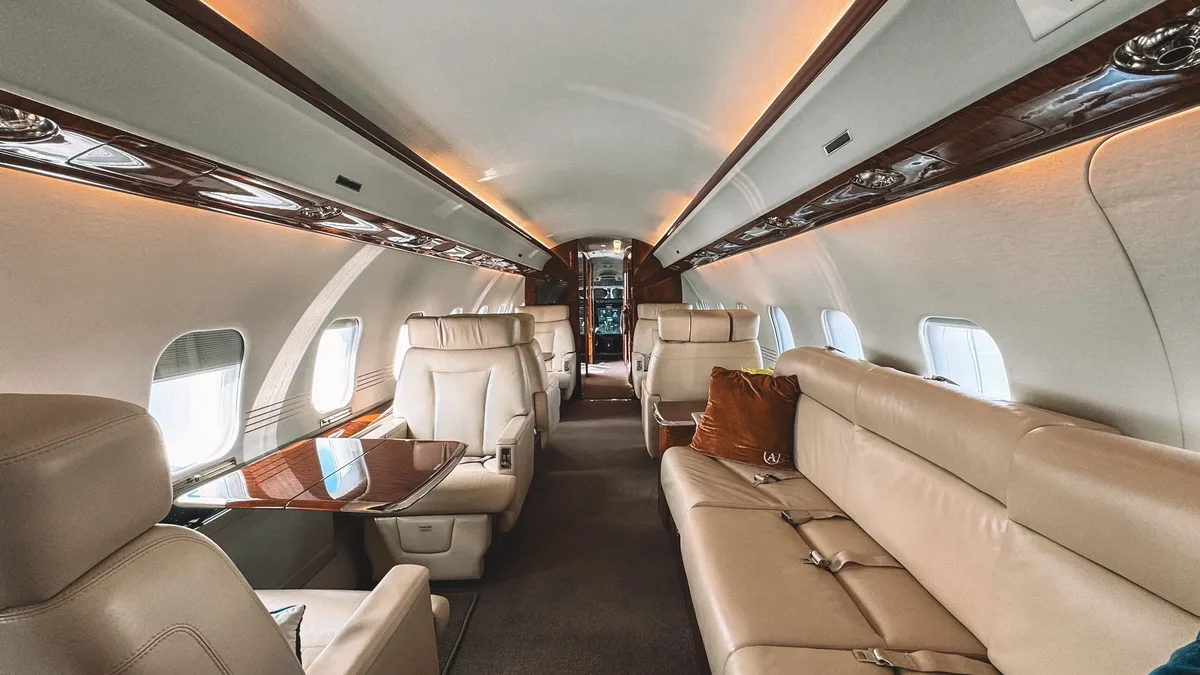
Aspire Opens Top-Tier Suite Lounge at
Aspire has launched its new premium Suite lounge at Birmingham Airport, charging £62 for direct access or a £22 Priority Pass upgrade.

Aspire opens new Luxe lounge at Birmingham
Aspire has launched a new mid-tier Luxe lounge at Birmingham Airport, accessible for £52 or via Priority Pass with a £15 upgrade.