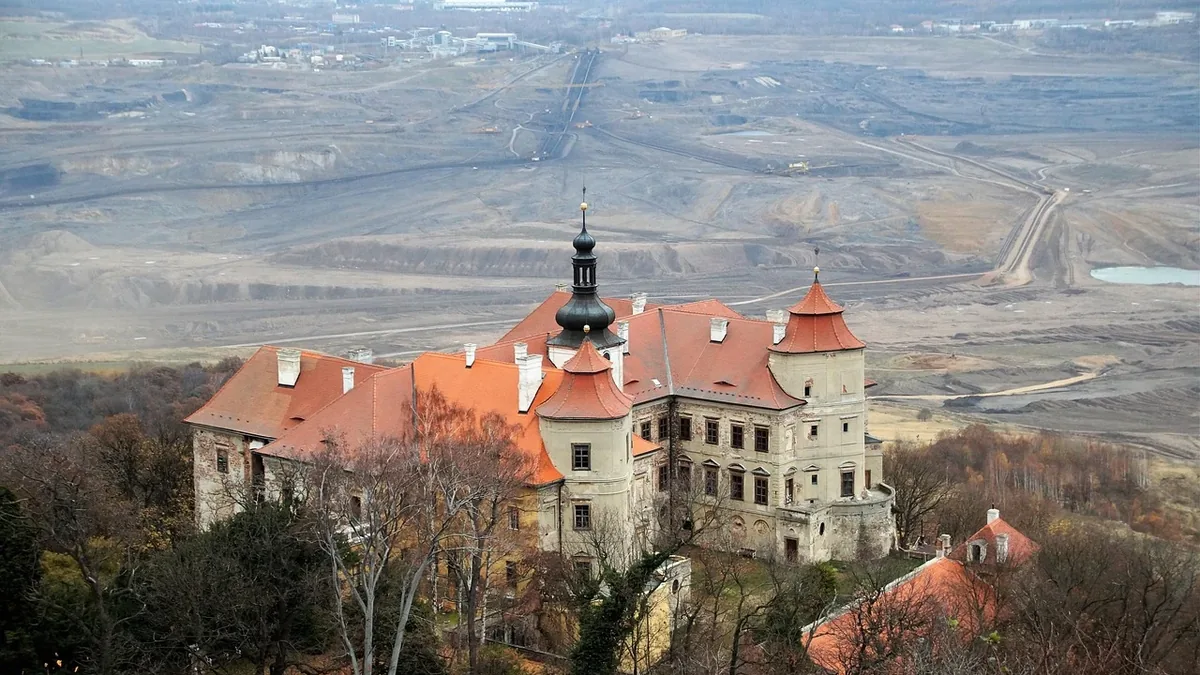
Country House
| Property type | Private holiday rental estate |
|---|---|
| Accommodation type | Self-catering villas and apartments |
| Typical capacity | Varies by property (e.g., 2-12 guests) |
| Booking model | Direct booking or via management company |
| Loyalty programme | None (independent property) |
| Original use | Private holiday home |
Origin and history
The Country House concept originates from the United Kingdom, with its architectural and social foundations established in the 16th and 17th centuries. These estates evolved from fortified manor houses into expansive, purpose-built homes for the landed gentry and aristocracy. The classical period for the British Country House is widely considered to be the 18th century, driven by agricultural wealth and political stability. Many houses were extensively rebuilt or landscaped during this era to display owner prestige and follow architectural fashion. The 19th century saw further expansions and Gothic Revival modifications, though agricultural depression began to strain finances. The concept was later adopted and adapted in other regions, including the American South and parts of Europe, though the UK remains its definitive point of origin.
What it is for
A Country House functions as a large private residence set within a substantial rural estate, historically centered on land management and agricultural production. Its primary purpose was to serve as the administrative and social hub for a landed family's holdings, demonstrating their control over the local area. These houses were designed for extended family living, entertaining on a large scale, and housing collections of art and literature. The surrounding estate lands provided income through farming, forestry, and mineral rights, which were managed from the house. In the modern context, many original houses have been repurposed as hotels, museums, or event venues, shifting their function from private agrarian management to hospitality and public cultural access. The architectural form prioritizes grandeur, privacy, and a harmonious relationship with a landscaped parkland setting.
Best hotels in Country House
Identifying the "best" hotels in the Country House style depends on criteria such as architectural authenticity, service level, and preservation of estate grounds. Properties that successfully operate within original, historically significant buildings, often with listed status, are typically held in high regard. Hotels that maintain a balance between modern luxury and preserved period features, such as original paneling, libraries, and fine art, are consistently noted. The highest-rated establishments usually offer extensive grounds for walking and traditional estate activities like shooting or fishing. Service in the best hotels is typically discreet, formal, and anticipatory, reflecting the house's historical role. A truly top-tier Country House hotel integrates its historical narrative and setting into the guest experience without feeling like a museum.
Overview
A Country House is a substantial rural dwelling, distinct from a farmhouse by its scale, architectural ambition, and historical social function. It is intrinsically linked to a landed estate, which provided its economic foundation and defined its setting. The architecture often follows prominent styles of its construction period, such as Palladian, Georgian, or Baroque, and is frequently the work of a known architect. Interiors are characterized by a sequence of formal rooms, including a hall, drawing room, library, and dining room, often arranged for procession and display. The house is almost invariably accompanied by designed landscape gardens, parkland, and ancillary buildings like stables and lodges. Today, the term can also refer to modern luxury hotels that emulate this aesthetic and service model, though these lack the original agrarian economic base.
What to know
Access to many historic Country Houses is now through paid public admission or by booking a hotel stay, as few remain as private family homes. Visiting often involves navigating remote rural locations with limited public transport, necessitating private vehicle travel. The operational costs for maintaining these structures are enormous, leading to partnerships with heritage organizations or conversion to commercial uses. When staying at a Country House hotel, the atmosphere is generally quiet and reserved, with an emphasis on relaxation and scenery rather than lively entertainment. Dress codes, while often relaxed, may still apply in dining rooms, and it is advisable to inquire in advance. The experience can be seasonal, with some houses or hotels offering reduced services or closing entirely during the winter months.
Common questions
A common question is whether Country House hotels are suitable for families with young children, and the answer varies; some are decidedly adult-oriented, while others offer specific family suites and activities. Guests often ask about on-site activities, which can include guided walks, historical tours, croquet, tennis, and seasonal pursuits like shooting or garden tours. Many inquire about dining options, as remote locations usually mean the hotel's restaurant is the primary choice, often requiring formal advance booking. A frequent question concerns the difference between a Country House hotel and a standard hotel, which centers on the historic setting, expansive grounds, and typically more personalized, residential atmosphere. Visitors also commonly ask about accessibility, and due to the historic nature of the buildings, many have limited access for those with mobility impairments. People often question the value, as rates are premium, paying for the unique setting, heritage, and seclusion rather than just accommodation.
Pros and cons
The level of personalized service and attention to detail in a well-run house can exceed that of a standard luxury hotel. The architectural and historical interest provides a substantive experience beyond simple lodging. A major con is the cost, which is typically very high for both accommodation and on-site dining, with few alternatives nearby. The formal and reserved atmosphere can feel stifling or impersonal to some guests who prefer a more vibrant or casual social environment. A common mistake is not researching the location thoroughly, leading to a feeling of isolation without a car, and guests sometimes regret the lack of contemporary amenities or entertainment options.
Who it suits
The Country House experience best suits travelers seeking a quiet, refined retreat focused on relaxation, scenery, and perhaps historical interest. It is ideal for couples looking for a romantic getaway or a celebratory trip, where the setting itself is a primary component of the occasion. The model suits guests who appreciate traditional service, formal dining, and structured leisure activities like walking, reading, or garden appreciation. It is less suited to budget travelers, those seeking nightlife, extensive children's facilities, or a base for extensive daily sightseeing of a wide area. The environment also appeals to visitors with a specific interest in heritage, architecture, or garden design, for whom the property is a destination in itself. Ultimately, it suits those who value atmosphere and seclusion over convenience and contemporary buzz.
Latest Country House news
Latest reporting
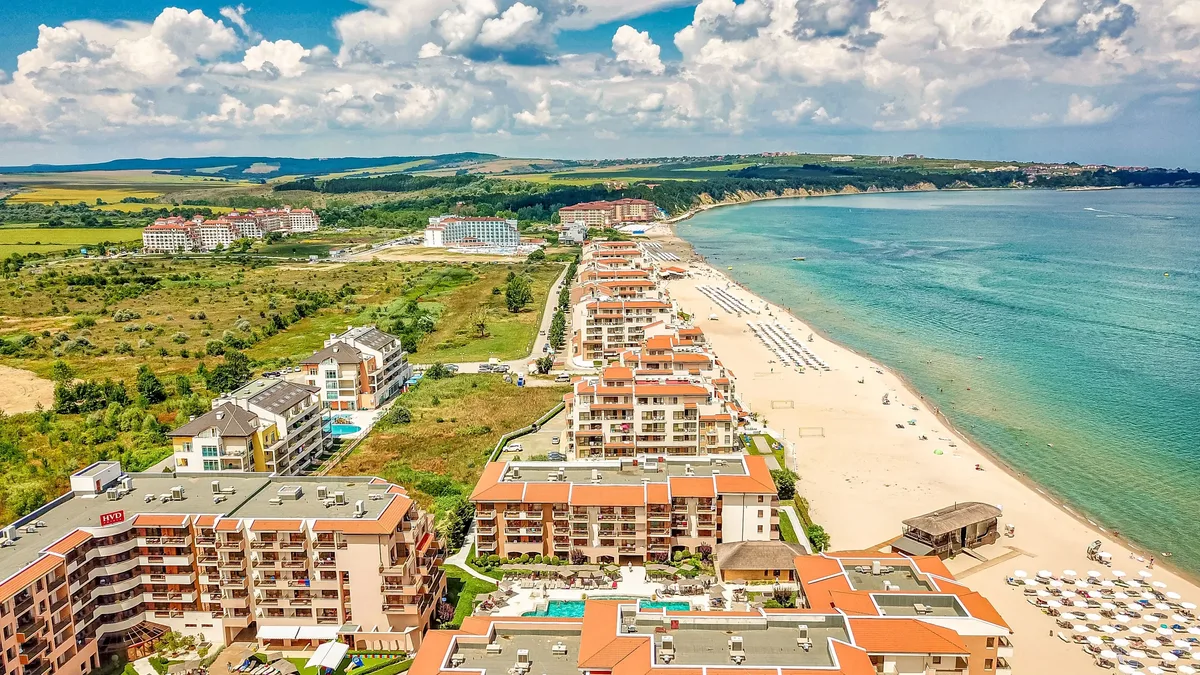
Ocean Edge Resort Cape Cod wins 2026 USA TODAY 10Best awards
Ocean Edge Resort & Golf Club ranked #8 for Best Destination Resort and its Beach House Spa placed #6 nationally in the 2026 USA TODAY 10Best...
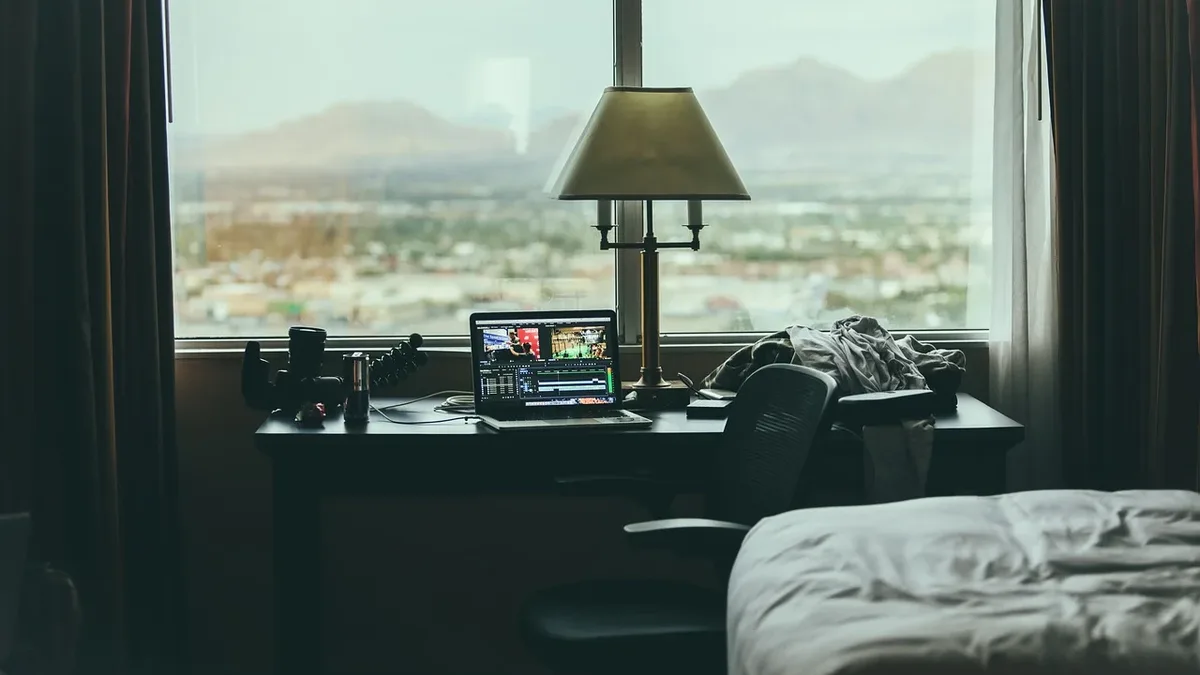
Run of House Hotel Room Rates Explained
A guide to run of house hotel rates, detailing how they offer the lowest price but assign rooms at the hotel's discretion.