London
| City type | Global metropolis and capital city |
|---|---|
| Country of origin | United Kingdom |
| First documented | 1st century AD (as Londinium) |
| Original use | Roman settlement and trading port |
| Currency | Pound Sterling (GBP) |
| Official language | English |
| Time zone | Greenwich Mean Time (GMT) / British Summer Time (BST) |
Origin and history
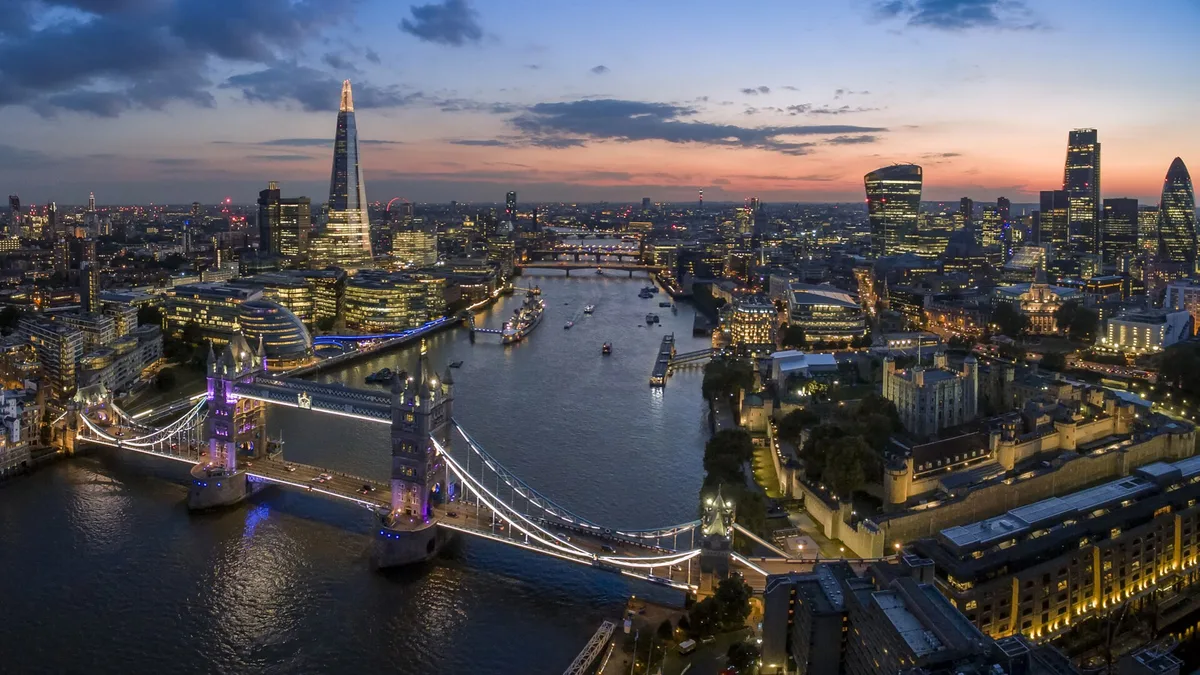
London is a major city originating in southeastern England, United Kingdom. Its history as a permanent settlement dates to the Roman conquest in the first century AD, when they established the port of Londinium on the River Thames. The city survived abandonment, Saxon resettlement, and numerous fires and plagues to become the political and economic capital of England by the late medieval period. Its growth accelerated dramatically from the 16th century onwards, fueled by global trade and imperial expansion. The city's geographical footprint expanded from its original Roman and medieval core, absorbing surrounding villages and towns over subsequent centuries. Modern London is a product of this long, layered history, visible in its eclectic architecture and administrative structure of distinct boroughs.
What it is for
London functions as a global hub for finance, commerce, culture, and tourism. It serves as the seat of the United Kingdom's government, housing the Parliament and the monarch's official residences. The city is a premier destination for business travel, hosting countless corporate headquarters and international conferences. It acts as a major transport nexus, with several international airports and rail links connecting it to Europe and the wider world. Furthermore, London is a leading centre for higher education, with numerous universities attracting students globally.
Best hotels in London
Identifying the "best" hotels depends heavily on budget, location preference, and desired experience. Established luxury brands like The Savoy, Claridge's, and The Ritz London are historically significant institutions offering traditional service in central locations. For contemporary luxury, properties such as The Berkeley, The Langham, and hotel groups like Mandarin Oriental maintain high standards in Knightsbridge and Mayfair. The boutique hotel sector is strong in areas like Covent Garden and South Kensington, offering personalised service and distinctive design. Travelers should note that price does not always correlate with proximity to major tourist attractions, and value can often be found in well-connected districts outside the immediate city centre.
Overview
London is a vast, sprawling metropolis divided into 32 boroughs, each with its own character, alongside the historic City of London financial district. The River Thames runs east-west through the city, a defining geographical feature crossed by numerous bridges. Its climate is temperate maritime, characterized by mild winters, cool summers, and unpredictable rainfall spread throughout the year. The population is exceptionally diverse, with hundreds of languages spoken, contributing to a vibrant multicultural atmosphere. Public transport, primarily the London Underground ("the Tube"), buses, and rail networks, is extensive but can be congested during peak hours. The city offers an almost overwhelming density of attractions, from free national museums to paid-entry historical sites, parks, and performance venues.
What to know
Accommodation costs are high by global standards, with significant price variations between boroughs and seasons. Purchasing an Oyster card or using contactless payment is essential for cost-effective travel on all public transport. Many major museums and galleries, such as the British Museum and Tate Modern, have free permanent exhibitions, though special exhibits require tickets. Tipping is customary but not as heavily ingrained as in some countries; a 10-12.5% service charge is often included in restaurant bills. The city is generally safe but standard urban precautions apply, and visitors should be mindful of pickpockets in crowded tourist areas. Weather is changeable, so layered clothing and a waterproof jacket are advisable regardless of season.
Common questions
What is the most efficient way to get from Heathrow Airport to central London? The Heathrow Express train is fastest to Paddington Station, while the Underground Piccadilly Line is cheaper but slower. Is it worth buying a visitor Oyster card in advance? For most visitors, using a contactless bank card or mobile device for pay-as-you-go fares is simpler and provides identical daily capping. Which area is best to stay in for first-time tourists? Areas like Westminster, South Bank, Covent Garden, or Kensington offer proximity to major sights, but hotels there command premium prices. How far in advance should I book theatre tickets? Popular shows sell out months ahead, but day-of tickets can sometimes be found at official booth TKTS in Leicester Square. Can I visit the royal palaces? Buckingham Palace State Rooms are open in summer, while the Tower of London and Hampton Court Palace are open year-round. Is London walkable? Neighbourhoods are walkable, but distances between major attractions are often significant, making public transport necessary.
Pros and cons
The extensive, integrated public transport system makes navigating the vast city feasible without a car. However, the primary con is extreme cost; London is one of the world's most expensive cities for accommodation, dining, and attractions, which can severely constrain budgets. Common regrets involve underestimating travel times between attractions due to the city's sheer size and transport delays, leading to overambitious itineraries. A frequent mistake is concentrating a visit only in the crowded, expensive central zones, missing the distinctive character and better value found in outer boroughs. The city's unpredictable weather can also disrupt plans for outdoor sightseeing.
Who it suits
London suits history and culture enthusiasts who can spend days exploring museums, galleries, and historic sites without exhausting the options. It is ideal for business travelers due to its central role in global finance and commerce. Theatregovers and fans of musicals will find the West End unmatched in its variety and quality of productions. First-time international tourists seeking a quintessential European capital experience with iconic landmarks are well catered to, provided they have a sufficient budget. It is less suited to travelers seeking a relaxing, slow-paced holiday or those with very limited funds, as the pace is frenetic and costs are relentlessly high. Visitors who dislike large, crowded cities or require consistent sunny weather may find it overwhelming.
Latest London news
Latest reporting

Independent Hotel Show London 2026 Returns to Olympia
The Independent Hotel Show returns to Olympia London on 5-6 October 2026 with a 'Shaping Tomorrow' theme.

Accor ALL Points Offer London Restaurant Festival
Accor's ALL loyalty programme is sponsoring the London Restaurant Festival, offering points redemptions for meals and events.
Hyatt Place London City East Review: Award Stays from 8,000 Points
A recent review of Hyatt Place London City East details its location, room types, and pricing, noting award stays start at 8,000 World of Hyatt...

Park Plaza London Riverbank launches Dinosaur Family Suite
Park Plaza London Riverbank partners with the Natural History Museum to offer a family suite themed with a T. rex bunk bed and Cretaceous decor.
First UK YOTEL joins Hilton Honors
The YOTELPAD Stratford in London is now bookable via Hilton's website, marking the first UK YOTEL property to join the 'Select by Hilton' brand.

Emirates Lounge at London Stansted Airport Impresses with Quality and Comfort
The Emirates Lounge at London Stansted Airport offers a peaceful and comfortable experience for business and first class passengers, with a wide...