Saybrook Point Resort Completes Renovation
The family-owned Saybrook Point Resort & Marina in Old Saybrook, Connecticut, renovated 82 rooms in seven months without closing, citing its independent
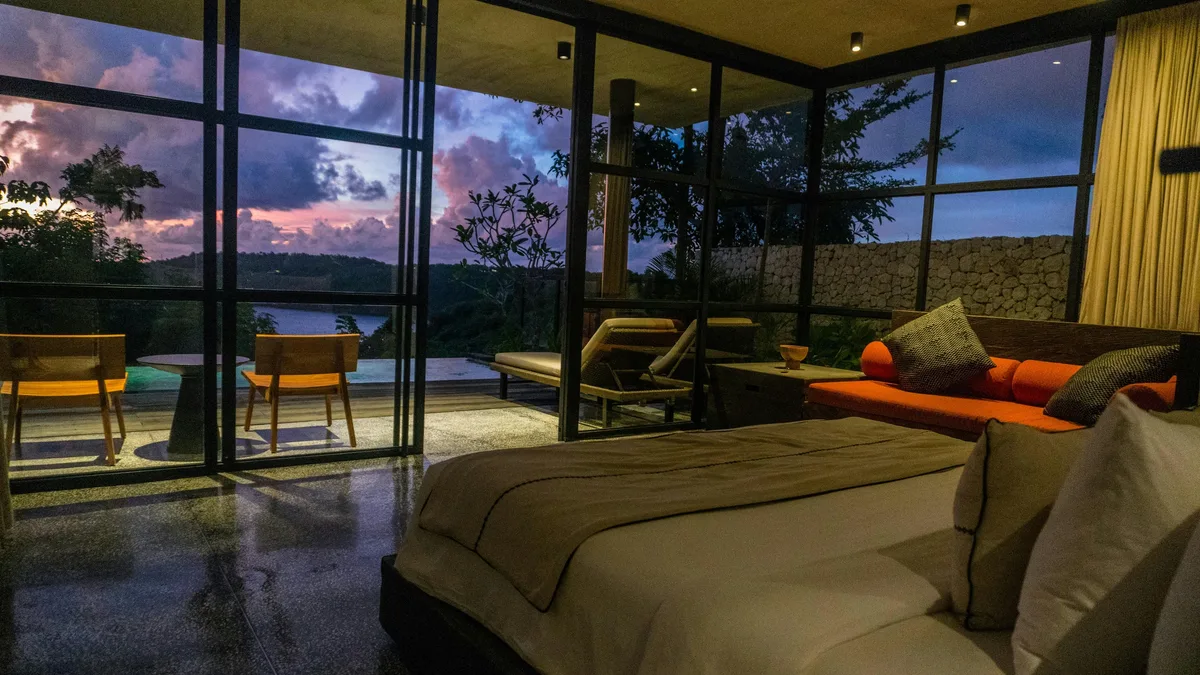
Saybrook Point Resort & Marina has renovated 82 guest rooms in just seven months without closing its doors. According to co-owner Stephen Tagliatela, this speed stems from the family's ownership of both the resort and a construction company, creating a vertically integrated process.
That structure allows the independent property to implement refreshes every first quarter, avoiding lengthy corporate approval chains. The Tagliatela family carries no debt on the property and remains unified around its long-term vision, with the fourth generation now entering the business.
A Resort Steeped in History and Location
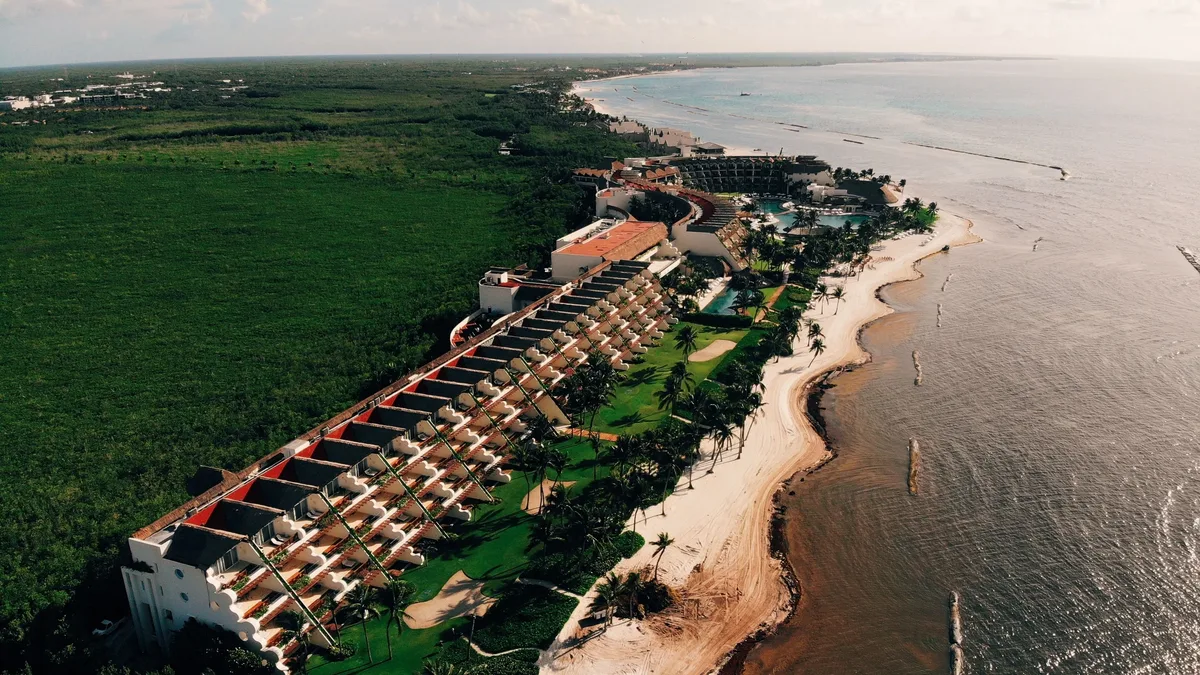
The property's identity is deeply tied to its location in Old Saybrook, at the mouth of the Connecticut River. A historical sandbar prevented major industrial development, preserving the estuary for wildlife and boating. The area's history includes the first Pilgrim settlement in 1635 and the founding of Yale University in 1701.
The resort reinforces its local connection by commissioning regional artists to display work throughout the property. Its signature restaurant, Fresh Salt, takes its name from the point where the river meets the ocean.
Operational Flexibility and Guest Appeal
Tagliatela describes the resort's evolution into a 'marina village,' integrating accommodations, a working marina, charter fishing, and multiple dining venues. Future plans include adding retail. The resort's 5.2-acre footprint has resulted in no two guest rooms being alike, which the owner says fosters a memorable experience that drives return visits.
The recent renovation aimed to broaden demographic appeal without alienating its loyal, baby boomer-dominant clientele. The goal is to expand the overall 'demographic pie' to include younger travelers.
Food and beverage play a major role in profitability, generating more revenue than guest rooms. Tagliatela credits this to strong local followings built over decades through competitive pricing, lively atmospheres, and consistent culinary execution.
The primary source markets are the Tri-State area, Connecticut, Northern New Jersey, and Boston. Its location as a natural midpoint between Boston and New York also attracts a business contingent using it as a meetup point along Amtrak.
Sustainability and Employee Investment
Operational flexibility extends to sustainability. A long-term 'build and hold' strategy led to upfront investments in energy-efficient systems. Heat from guest rooms is recycled to warm pools, and solar panels supplement energy use. Replacing grass with indigenous landscaping reduced irrigation and eliminated pesticide odors that were once a guest complaint.
These initiatives have resulted in utility costs dramatically below industry averages.
Employee turnover is remarkably low, at around 30% year-over-year. The company invests in staff wellbeing through educational programs, employee assistance funds, and loan support during personal financial hardship. Tagliatela states that seasoned staff who know the guests and procedures are the lifeblood of the operation, enabling anticipatory service.
He concluded by hoping guests feel a 'virtuous circle' of love flowing from ownership to employees to the onsite experience, a differentiator he believes is often only achievable at an independent property.