
Family
| Property type | Resort |
|---|---|
| Rate structure | All-inclusive |
| Loyalty programme | Family & Friends Club |
| Target demographic | Families with children |
| Accommodation style | Village-style bungalows |
| Primary location | Turkey |
| Original use | Family holiday destination |
Origin and history
The concept of a dedicated family resort as a commercial hospitality category originated in the United States in the mid-20th century. Its development is closely tied to the post-war economic boom and the expansion of automobile travel and paid vacation time. Early examples were often drive-to destinations located in mountainous or coastal regions, focusing on providing activities for all ages within a single property. The 1960s and 1970s saw the proliferation of this model, with large-scale resorts being built specifically to cater to multi-generational travel. The advent of themed entertainment and all-inclusive pricing models in the latter part of the century further solidified the family resort as a distinct market segment. This model has since been adopted and adapted globally, with significant developments in Europe, Mexico, and the Caribbean.
What it is for
A family resort is a commercial accommodation complex designed explicitly to cater to guests traveling with children and often multiple generations. Its primary function is to provide a contained vacation environment where the needs of both adults and children are simultaneously met, reducing the logistical stress of family travel. The resort typically offers supervised children's programs segmented by age group, allowing parents time for relaxation or adult-oriented activities. On-site amenities almost always include multiple swimming pools, often with dedicated shallow children's areas and water features like slides. Dining options are geared towards flexible, casual meals with children's menus and early seating times. The overall design and activity schedule aim to create a convenient, safe, and engaging experience that minimizes the need for families to leave the property.
Best hotels in Family
Identifying the best family resorts depends heavily on the specific needs of the family, their budget, and desired destination, but certain brands and properties are consistently recognized for their comprehensive offerings. Large branded chains like Disney Parks & Resorts are seminal in this category, providing immersive themed environments, character interactions, and extensive childcare programs. All-inclusive operators such as Club Med and Beaches Resorts are highly regarded for bundling activities, kids' clubs, food, and drink into a single rate, simplifying vacation budgeting. For ski vacations, resorts like Whistler Blackcomb or Park City Mountain Resort offer extensive ski schools, beginner terrain, and non-ski activities tailored for families. In the waterpark category, properties such as those under the Great Wolf Lodge brand are defined by their large indoor waterparks, making them weather-independent destinations. Luxury operators like Four Seasons and Rosewood have also developed sophisticated family programs that maintain a high-end atmosphere while providing exceptional children's amenities and babysitting services.
Family review
From a family's perspective, the success of a resort hinges on its execution of convenience, engagement, and value. Parents consistently prioritize resorts with robust, trustworthy kids' clubs that employ well-vetted staff, allowing for genuine adult respite. The quality and variety of the pool complex is a major factor, with water slides, lazy rivers, and zero-entry pools often being the highlight for children. Dining is critically reviewed for its flexibility, speed of service, and ability to accommodate picky eaters or dietary restrictions without requiring advanced reservations for every meal. Families report that the physical layout of the resort matters greatly, preferring compact designs that minimize long walks with young children or strollers between rooms, pools, and dining. Noise levels are a common point of review, with families seeking a balance between lively, fun environments and the ability for children to sleep undisturbed in the evenings. The overall value assessment weighs the upfront cost against the quantity of included amenities and the reduction in additional daily spending on entertainment and activities.
Overview
A family resort is a comprehensive vacation destination engineered to serve as a self-contained ecosystem for guests with children. The operational model is built around providing a wide array of on-site activities, entertainment, and dining to occupy all age groups from toddlers to grandparents. Key components universally include multiple swimming pools, organized children's and teen programs, family-friendly entertainment, and casual dining venues. Many operate on an all-inclusive basis, where a single upfront rate covers accommodation, meals, drinks, and most activities, which aids in budget control. The architecture and landscaping are intentionally designed to be safe and navigable for young children, often featuring gated pool areas, playgrounds, and pedestrian-friendly pathways. The staff are typically trained specifically in family hospitality, aiming to be helpful and accommodating to the unique challenges of traveling with children.
What to know
The advertised rate at a family resort rarely reflects the total vacation cost, and understanding the pricing structure is essential. All-inclusive resorts bundle most expenses, but you must verify what premium items, such as certain à la carte restaurants, motorized watersports, or off-property excursions, incur extra charges. Properties that are not all-inclusive will have significant additional costs for meals, activities, kids' club access, and even basic amenities like pool cabanas or Wi-Fi. Loyalty programmes for major hotel chains can change the value proposition by offering benefits like room upgrades, late checkout, or complimentary breakfast, which are highly valuable for families needing flexibility. However, these programmes rarely provide meaningful discounts on the core rate during peak family travel periods like school holidays. It is crucial to research the specific details of the kids' club, including operating hours, age restrictions, staff-to-child ratios, and whether reservations are required, as capacity can be limited. Always confirm the room configuration and bedding; a room advertised for a family of four may only have one true bedroom, with children sleeping on a pull-out sofa.
Common questions
A common question is whether all-inclusive pricing is truly worth it for families with very young children who may not eat or drink much. The value often lies less in consumption and more in the convenience and predictability of cost, eliminating the stress of constant spending decisions. Parents frequently ask about the safety and security of kids' clubs, including staff qualifications, facility security, and protocols for contacting parents in case of an issue. Many families inquire about the suitability for different age ranges, particularly if the resort can adequately entertain both a toddler and a teenager simultaneously, which requires a diverse activity portfolio. Questions about dining are prevalent, focusing on the availability of high chairs, children's menus, buffet hygiene for young children, and the ability to access snacks outside of rigid meal times. Guests often want to know if the resort provides essential gear such as cribs, strollers, bottle warmers, or pool floaties, as transporting these items can be burdensome. Another frequent inquiry concerns the best time to visit, balancing optimal weather with lower crowds and rates, which is particularly challenging when constrained by school holiday calendars.
Pros and cons
The all-inclusive model, where available, provides excellent cost predictability, allowing families to relax without constantly calculating expenses for every ice cream or activity. A major con is the potential for a homogenized, generic experience that isolates guests from the local culture and environment of the destination. These resorts can also become overwhelmingly crowded and noisy during peak seasons, leading to queues for slides, restaurants, and activities, which contradicts the goal of relaxation. A common mistake is underestimating the total cost at non-inclusive resorts, where the base room rate can double once meals, activities, and mandatory fees are added. Families who regret their choice often find the programmed, bustling atmosphere exhausting rather than rejuvenating, or discover that their children are not suited to the structured kids' club environment.
Who it suits
This model suits parents of young children and multi-generational travel groups seeking maximum convenience and minimal daily planning, where the primary goal is stress-free time together. It is ideal for families who prioritize a wide variety of on-site activities and entertainment, especially those with children of varying ages who have different interests. First-time family travelers or those visiting a destination where they are uncomfortable venturing out independently will find the contained environment reassuring and manageable. The all-inclusive version particularly suits families with older children or teenagers who have larger appetites and will make frequent use of included snacks, drinks, and activities, maximizing the financial value. It is less suited to families seeking an immersive cultural experience, adventurous exploration of a destination, or a quiet, romantic atmosphere. Families with infants requiring specific nap schedules or children who are highly sensitive to overstimulation and large crowds may find the constant activity and noise levels challenging.
Latest Family news
Latest reporting

Wickman family acquires historic Kinloch Lodge on Skye
The historic Kinloch Lodge hotel on the Isle of Skye has been sold by the MacDonald family to the local Wickman family.
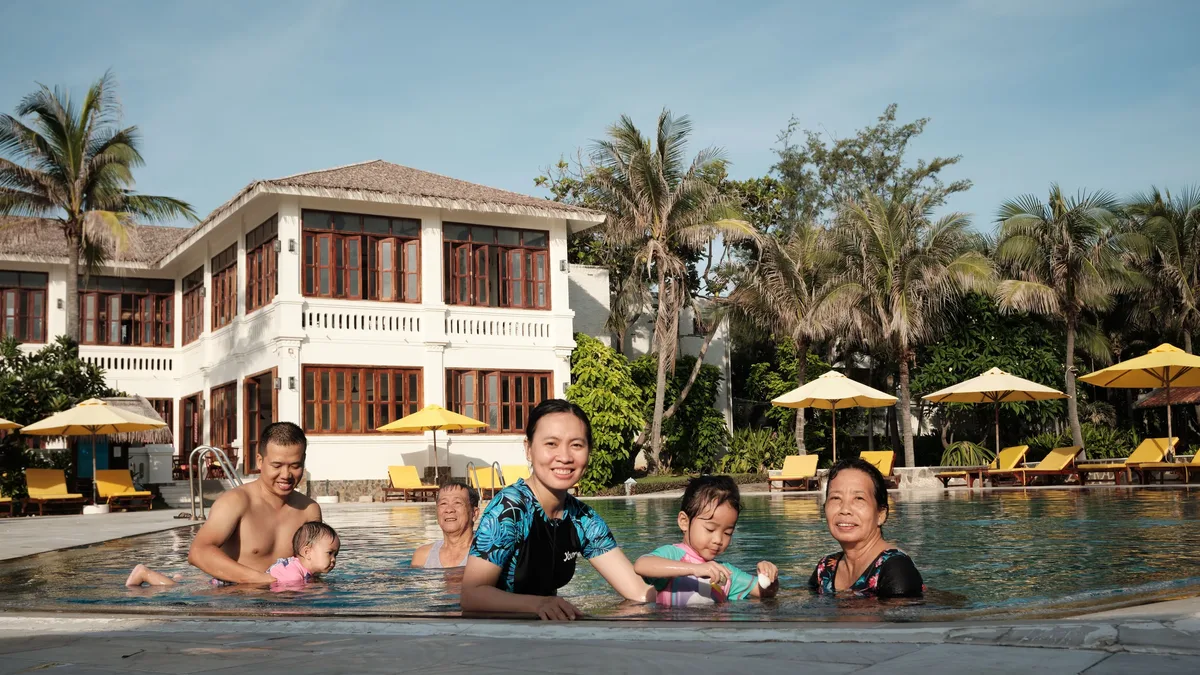
Park Plaza London Riverbank launches Dinosaur Family Suite
Park Plaza London Riverbank partners with the Natural History Museum to offer a family suite themed with a T. rex bunk bed and Cretaceous decor.
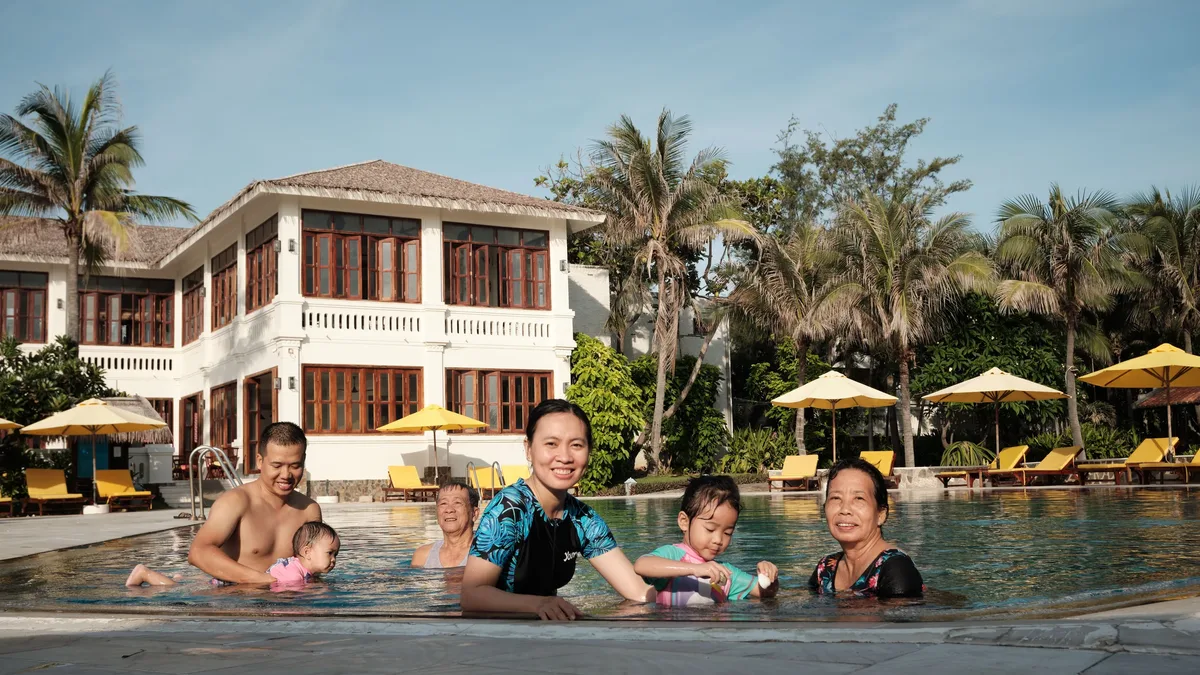
Saybrook Point Resort Completes Renovation
The family-owned Saybrook Point Resort & Marina in Old Saybrook, Connecticut, renovated 82 rooms in seven months without closing.