Delta and Virgin Atlantic to split at Heathrow Terminal 3
Heathrow will move Delta Air Lines from Terminal 3 to Terminal 4 in 2028, ending its 15-year co-location with Virgin Atlantic.
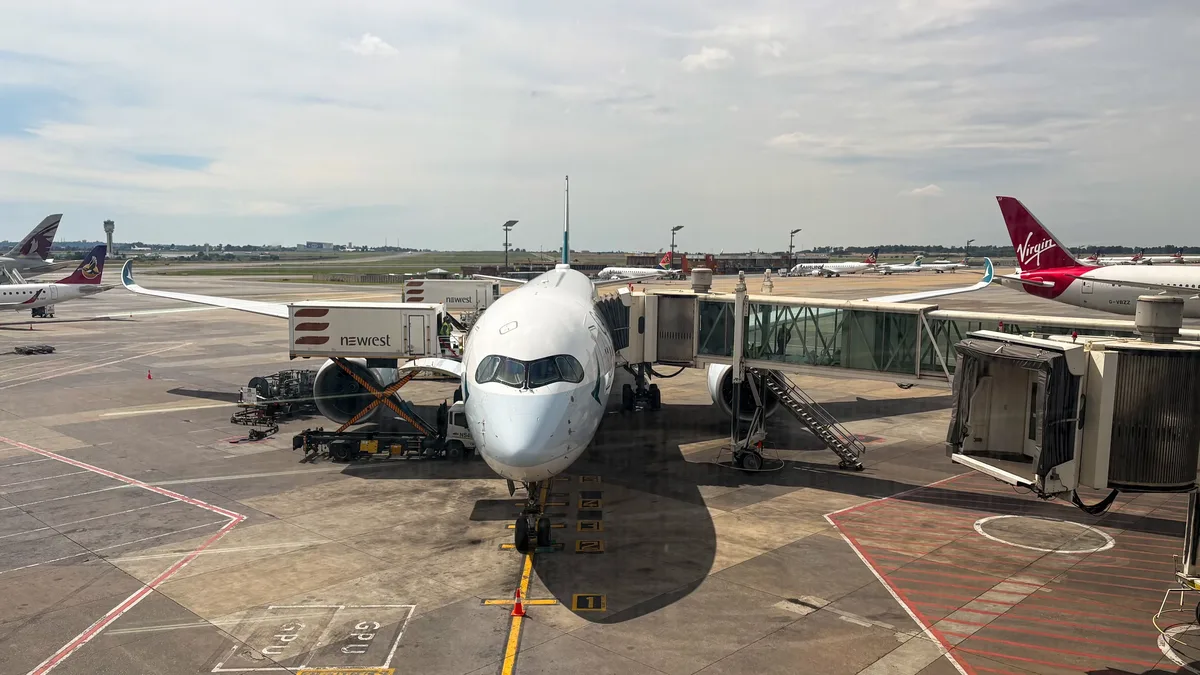
Delta Air Lines will move from Terminal 3 to Terminal 4 in 2028. This ends its shared use of Terminal 3 with Virgin Atlantic after 15 years. The relocation is the result of a once-in-a-decade terminal occupancy review by Heathrow Airport Limited. It forces the strategic joint venture partners to operate from separate terminals for the first time since they began sharing Terminal 3 in 2013.
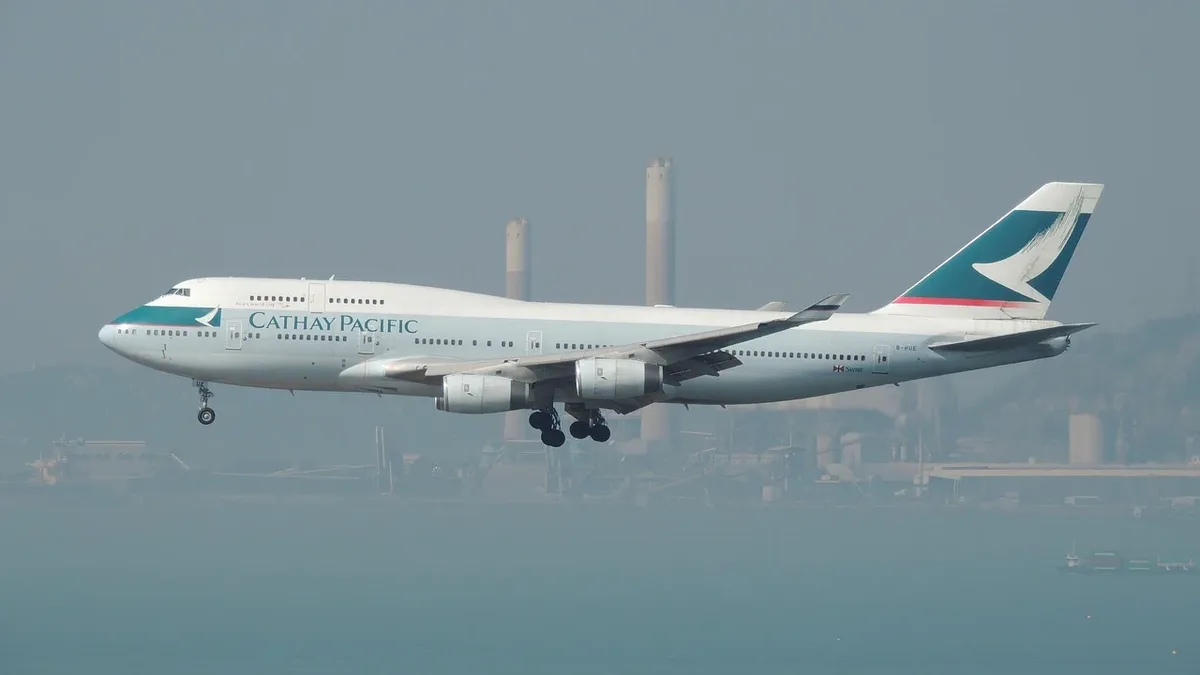
Delta owns a 49% stake in Virgin Atlantic. The airlines have coordinated check-in agents, engineers, and flight timings through their co-location. At Terminal 4, Delta will join its SkyTeam and transatlantic joint venture partners, Air France and KLM. Virgin Atlantic will remain alone in Terminal 3, a hub for Oneworld alliance members like Cathay Pacific.
Terminal reconfiguration reshapes airline alliances
Five airlines will relocate between terminals in 2028. The moves will alter the distribution of global airline alliances across Heathrow's facilities.
| Airline | Moving From | Moving To |
|---|---|---|
| Delta Air Lines | Terminal 3 | Terminal 4 |
| Finnair | Terminal 3 | Terminal 4 |
| Japan Airlines | Terminal 3 | Terminal 4 |
| China Southern | Terminal 4 | Terminal 5 |
| LATAM | Terminal 3 | Terminal 2 |
These five carriers represent 3.5% of total Heathrow seats flown annually. Delta is the largest airline being moved, operating up to 11 flights per day and nearly 900,000 annual seats. The shifts will spread the oneworld alliance across Terminal 3 and Terminal 5. China Southern will become only the second airline, after British Airways, to operate from Terminal 5. Star Alliance remains unaffected in Terminal 2.
Operational and connectivity challenges for passengers
The split creates significant operational hurdles. Passengers connecting between Delta and Virgin Atlantic flights will now need to use an inter-terminal bus transfer. This is particularly problematic for travelers continuing onto Virgin Atlantic's Africa or Asia routes.
Terminal 4 presents its own access challenges. It has no direct Heathrow Express services. Rail passengers must change trains. Public transport access is generally considered worse than at Terminal 3. These factors will complicate connections and add time for transferring customers.
Heathrow's strategic rationale and passenger support
Heathrow claims the decision optimizes limited space, strengthens operational resilience, and reduces congestion. The airport stated that 81% of its passengers supported the terminal changes. The review process began in 2023.
Airline reactions have been mixed. Delta stated it is reviewing options and remains focused on preserving a seamless travel experience. Virgin Atlantic's chief executive, Corneel Koster, was critical. He said, "As all other airports seek to co-locate joint venture partners, Heathrow has chosen to split ours after more than a decade together." Koster argued the move would create customer friction, weaken competition, and reduce choice.
The terminal reshuffle occurs as Heathrow plans a larger expansion. The airport is preparing a planning application for a third runway. Construction is not expected to begin until after 2039 at the earliest. The runway alone is estimated to cost £14 billion, with the full expansion potentially reaching £49 billion. Heathrow estimates passenger fees, already among the world's highest, will fund the project. The new 3,500-meter runway would require demolishing Terminal 3, enlarging Terminal 2, and building a new terminal north of Terminal 5. Delta's relocation to Terminal 4 in 2028 will require bus transfers for connections to Virgin Atlantic's Africa and Asia routes.